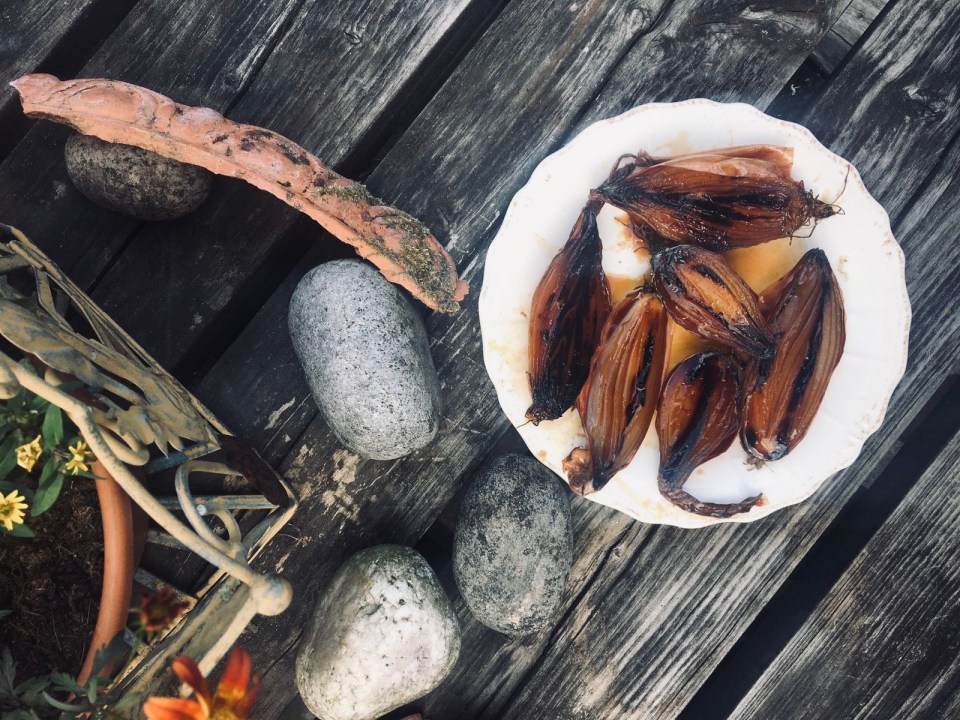
Chicken, IPA braised shallots, braised fennel with shallot and mustard seed pickle

d8ee66fc-8016-46e4-8137-aee8f1ebef1602fb04e8-dfc3-46ca-b72e-72827f1a27616ee13c28-16d1-4a3b-b2ac-4ca9feee6b350ccf88bc-8b72-48bc-83cd-5f486c9a9855219057c8-fe53-4a91-bbbb-904d7a73b8032353bb3a-6f75-4e23-9db7-d51253d2ff7a6c7f791f-d2b8-46c2-9b07-1ae9f918dfd27203767b-add6-476d-aded-47bace44a57e49dd0738-0052-4309-8d04-d183c4ee2e6438b3219f-bf19-47f6-b717-e218dce23918e2fa5297-4b13-48fe-b239-2e66958b0b13225225c0-523e-4814-9914-ad06bc1959652b4949a1-4dc4-4b34-8dd0-66eaf2c519e723612d15-a428-4277-8541-e5d609689965d4a5468c-1a39-48a2-b4dd-f121899a312da034a7c5-6ab3-4368-8b4d-de4a3fda92471c6bbc78-07bd-479e-a460-dbcc9dda6ebdf5a8b525-d1ff-4133-a288-83763f1d8ff4Proteins:

Free Range Chicken

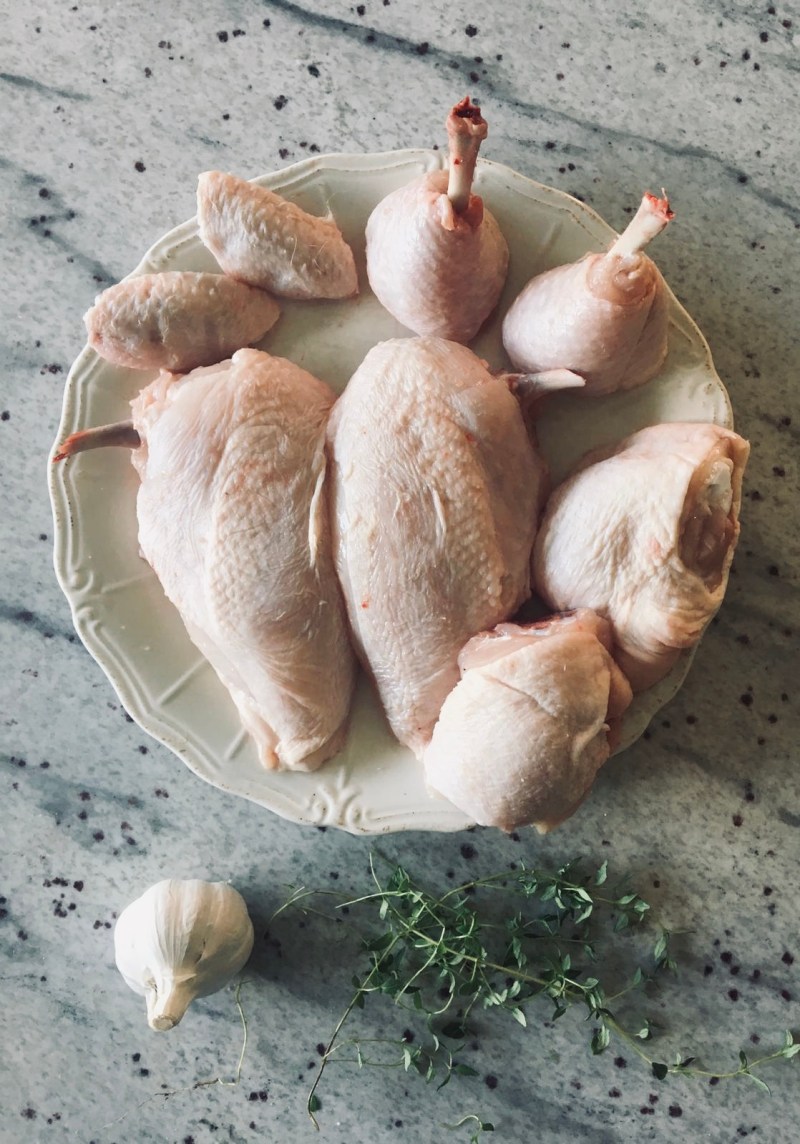
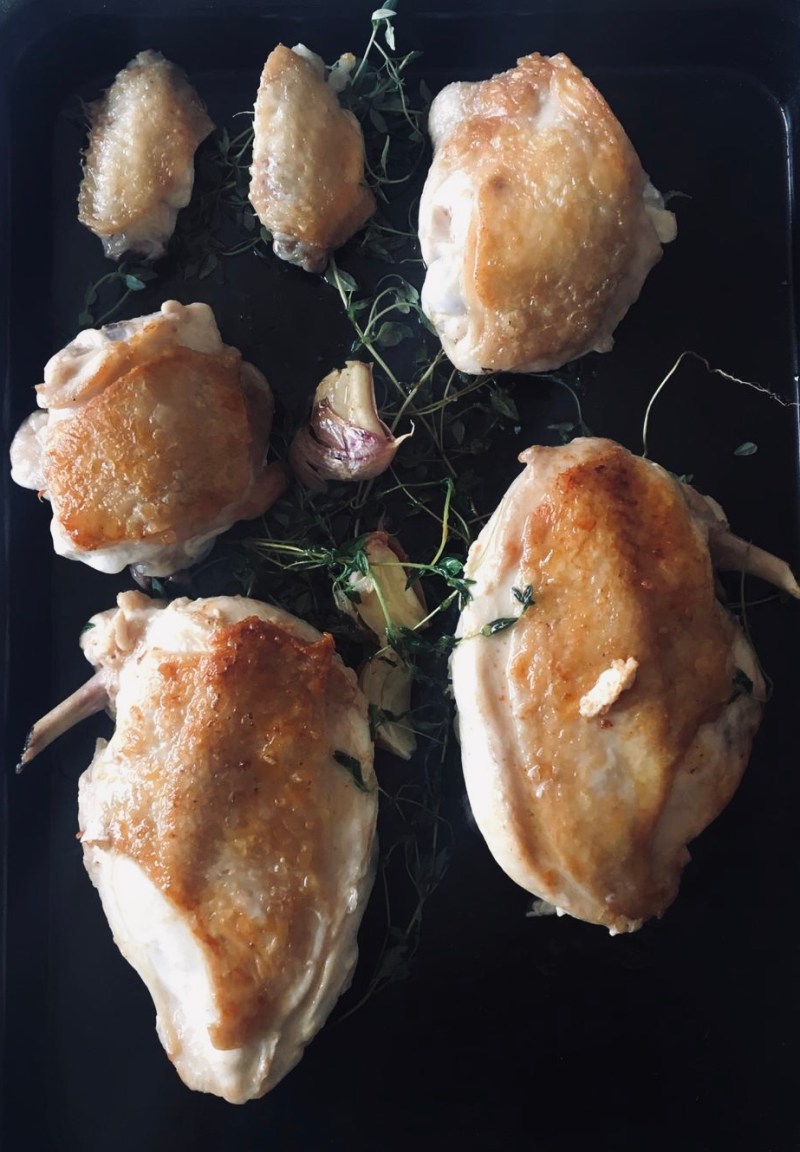
  1. Cut into sauté (a classical French cut for poultry made of 8 pieces) – leg, thigh, breast, wing, winglet x2 and French trim this means exposing the bone.
  2. Place a large frying pan onto a medium heat, once the pan has began to lightly smoke add a little low flavoured oil.
  3. Place your chicken into the pan away from you, I usually begin with the legs and thighs. Cook until golden brown and crispy, once at this point lay your chicken into a pre-prepared resting tray with fresh thyme and crushed garlic.
  4. Repeat until you have coloured off your chicken pieces. For the breast, add a little crushed garlic and thyme, baste with foaming butter, once done lay under the breast to infuse and act as a trivet.
  5. Place into the oven at 180 degrees and cook for 10 – 15 minutes, until cooked all of the way through and tender.

Roast chicken butter sauce:

  1. To begin this sauce place your crown and under of the chicken into a baking tray, drizzle with a little low flavour oil and a touch of sea salt.
  2. Roast on 180 degrees until golden brown and crispy, this is a great sauce to make use of the items which would otherwise go to waste.
  3. Remove from the tray and place into a large saucepan. Deglaze the baking tray with a little white wine, once deglazed, add to the rest of the chicken into the saucepan.
  4. Ensure that you cook off the wine or otherwise the wine will just take-over the sauce.
  5. Once deglazed and ready, pass through a fine muslin and reserve in the fridge until you are just about to serve.
  6. Reheat in a saucepan and emulsify with a little butter like you would as making a Beurre Blanc.

Pickled shallots:

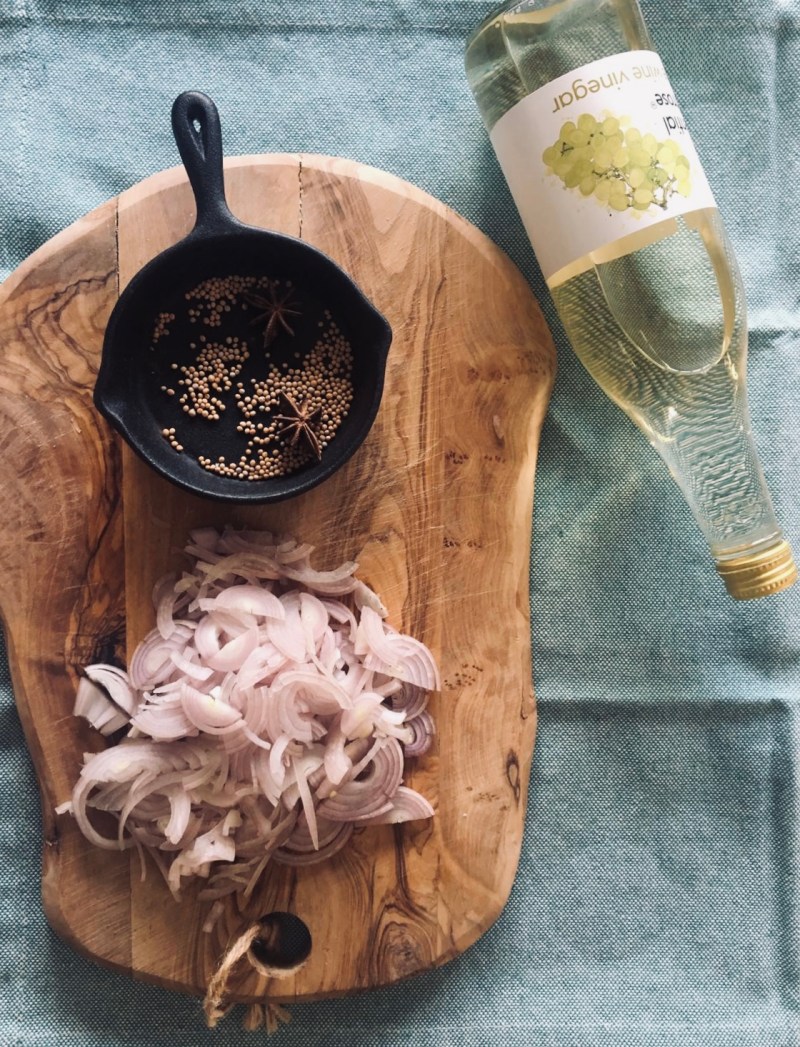
  1. In a small saucepan toast off 2 star anise and a teaspoon of mustard seeds. Once lightly toasted place into a pestle and mortar and crush lightly to release the essential oils.
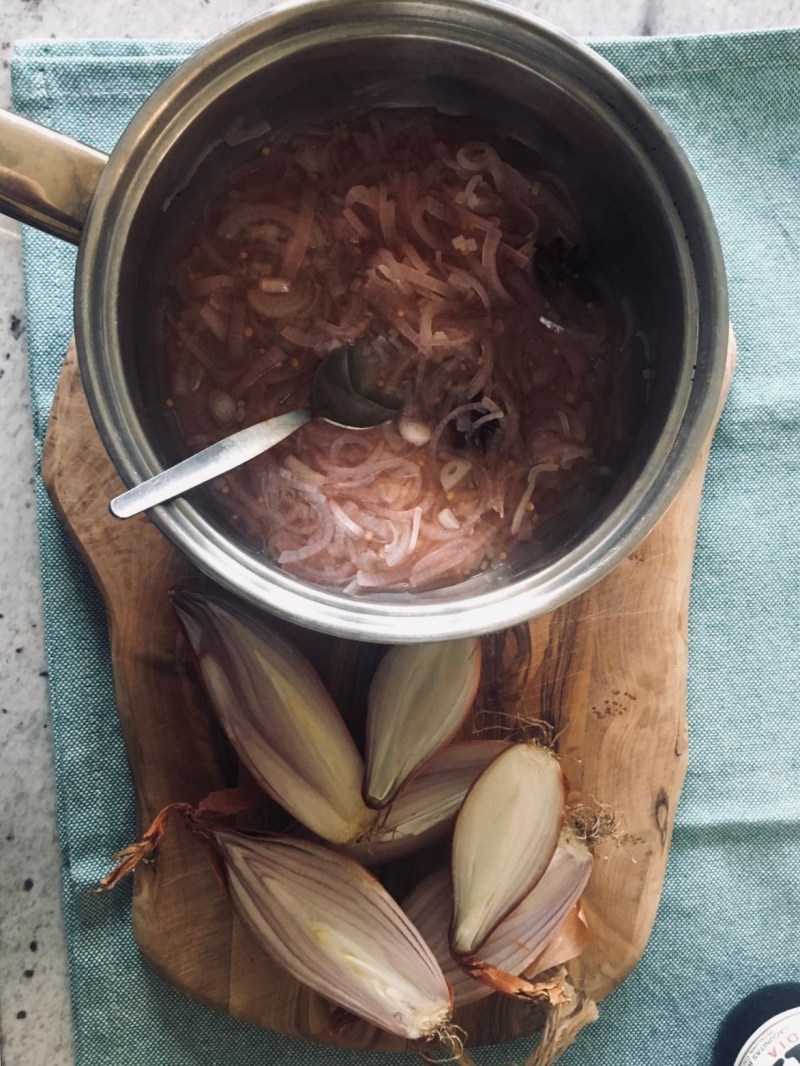
  2. Place this into 150 ml of white wine vinegar and bring to the boil, once at this stage add your peeled and sliced half moon shallots into the pickling liquor.
  3. Cook until pickled and al dente.
  4. Reserve in a sterilised jar until required later on at plating.

IPA braised shallot halves:

  1. To begin this garnish sliced your shallots in half leaving the skin and root attached.
  2. Place a large frying pan onto a medium heat once the pan has began to lightly smoke add a little low flavoured oil.
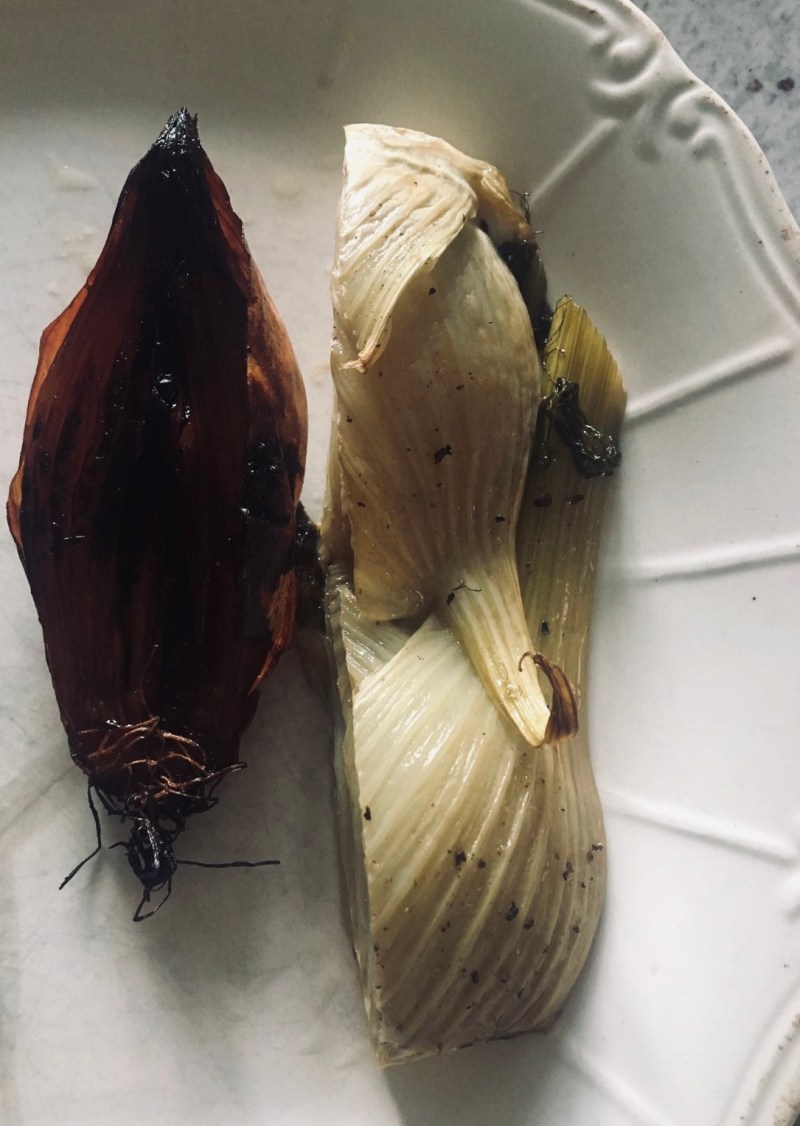
  3. Next place your shallots cut side down and roast until lightly golden and brown.
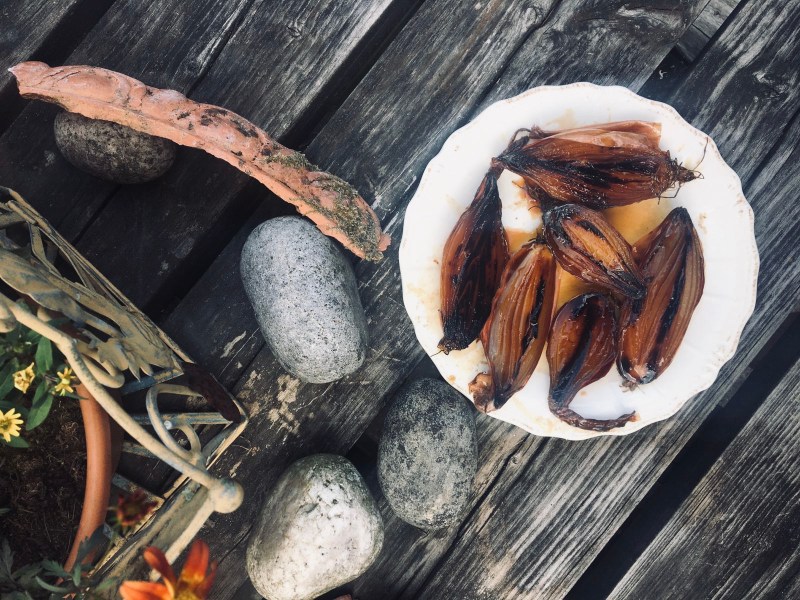
  4. Once at this point add half a bottle of IPA a reduce to glaze place a lid over the pan to create a little steam which in turn cooks your shallots.
  5. Once ready remove the pan from the heat and bast over the reduced glaze.
  6. Remove from the pan and place onto a large dinner plate to cool.

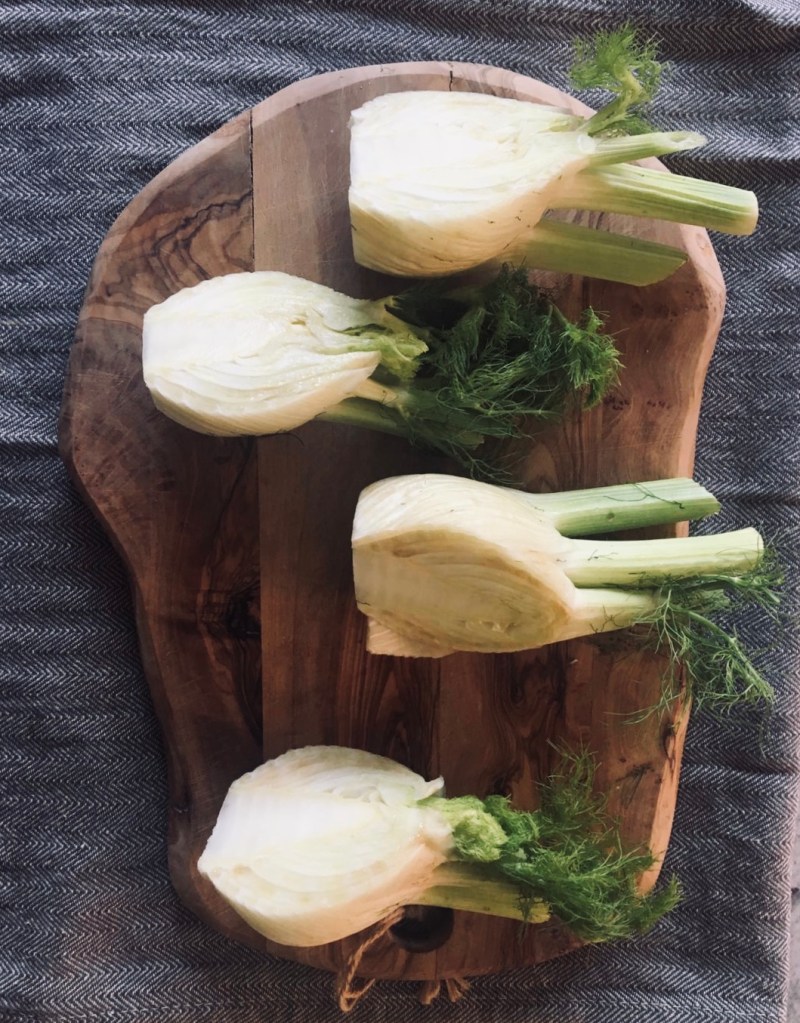
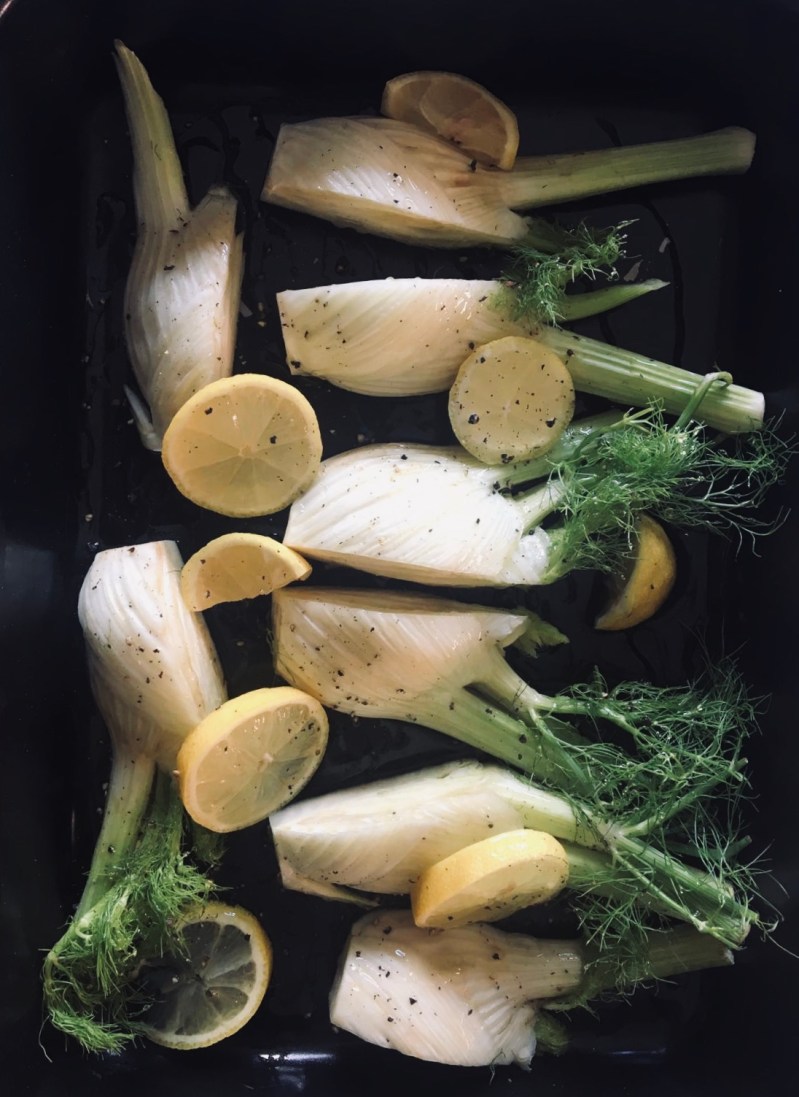
Braised Fennel Bulbs:

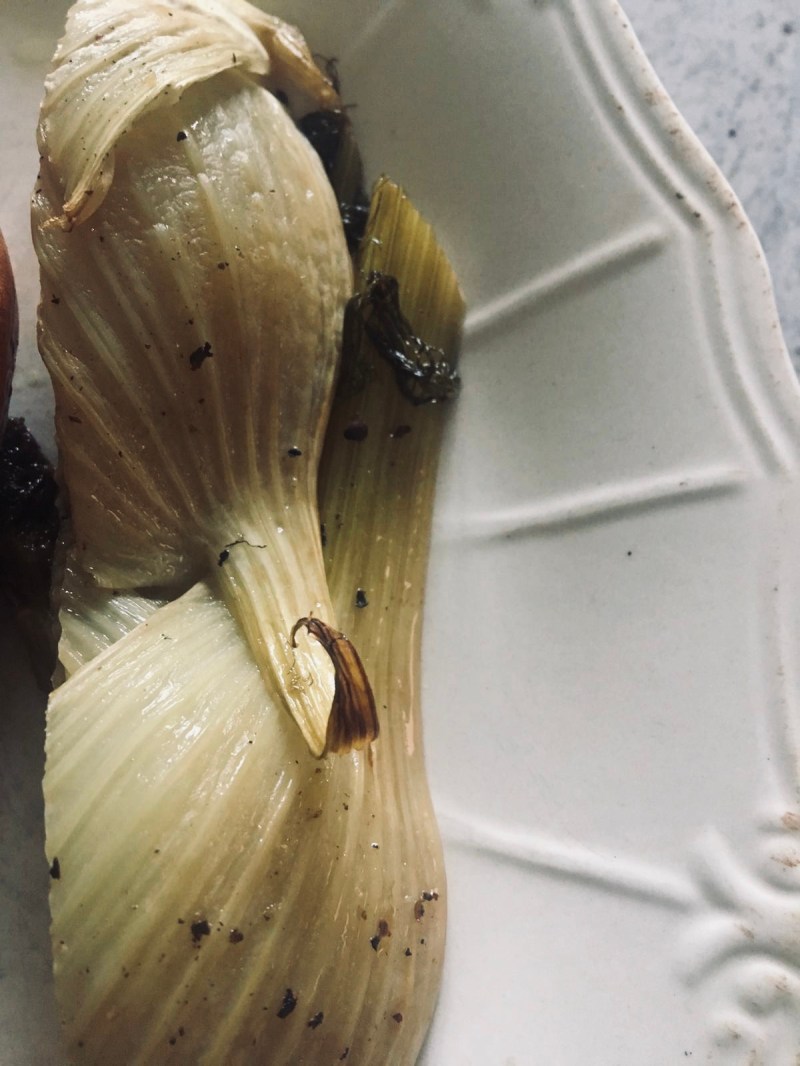
  1. To begin slice two large fennel bulbs into 8
  2. Place into a large baking tray and add sliced lemons, a little white wine, along with a little cold water.
  3. Cook for 30 minutes with foil on top, until al dente or can be pricked with a paring knife. Once at this point remove the foil from the top and place in a hotter oven of 190 degrees to lightly colour until a little golden on the ends.
  4. Reserve in the pan until required later on in the process.

Pescatarain option:
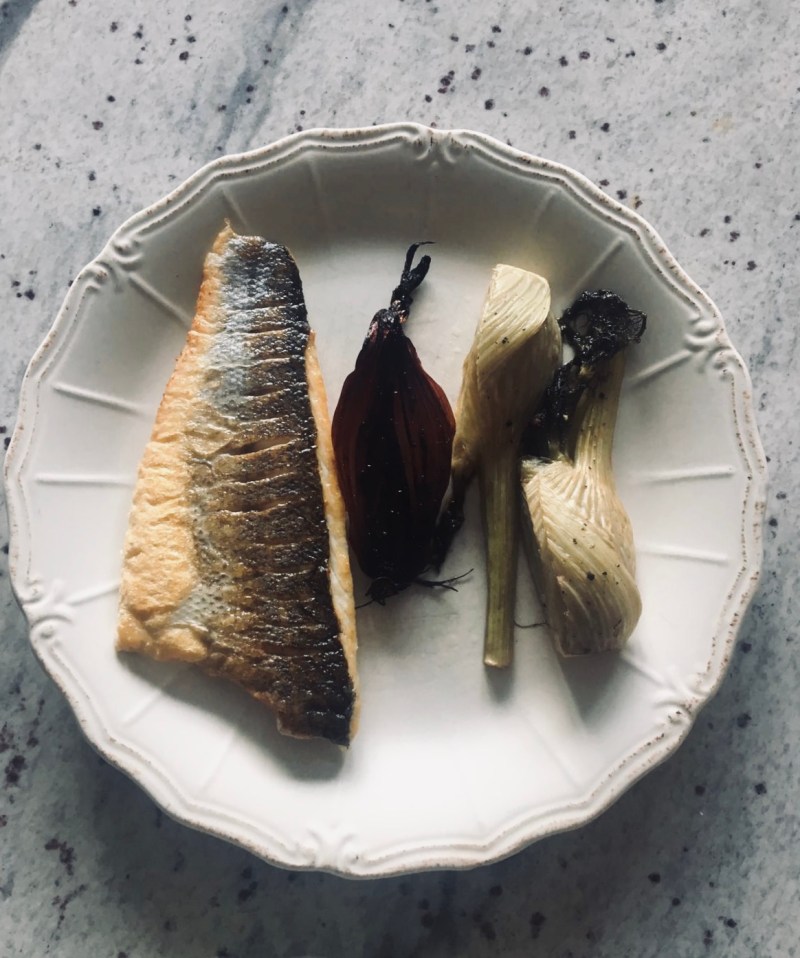
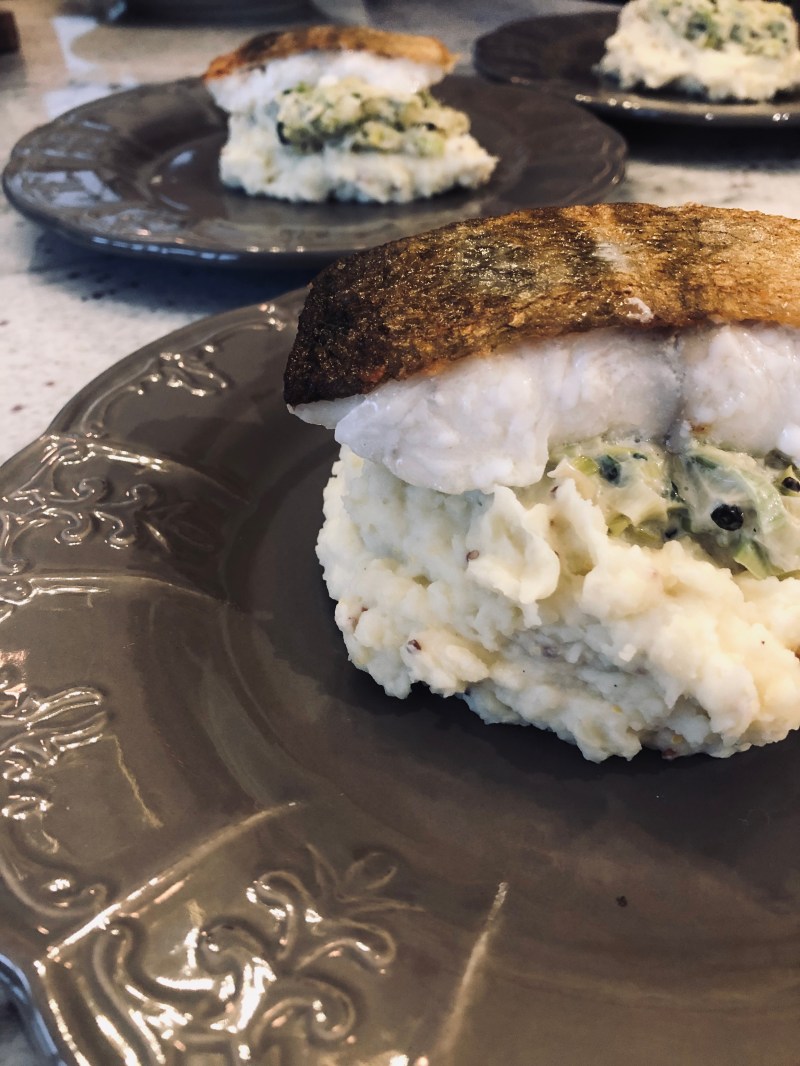
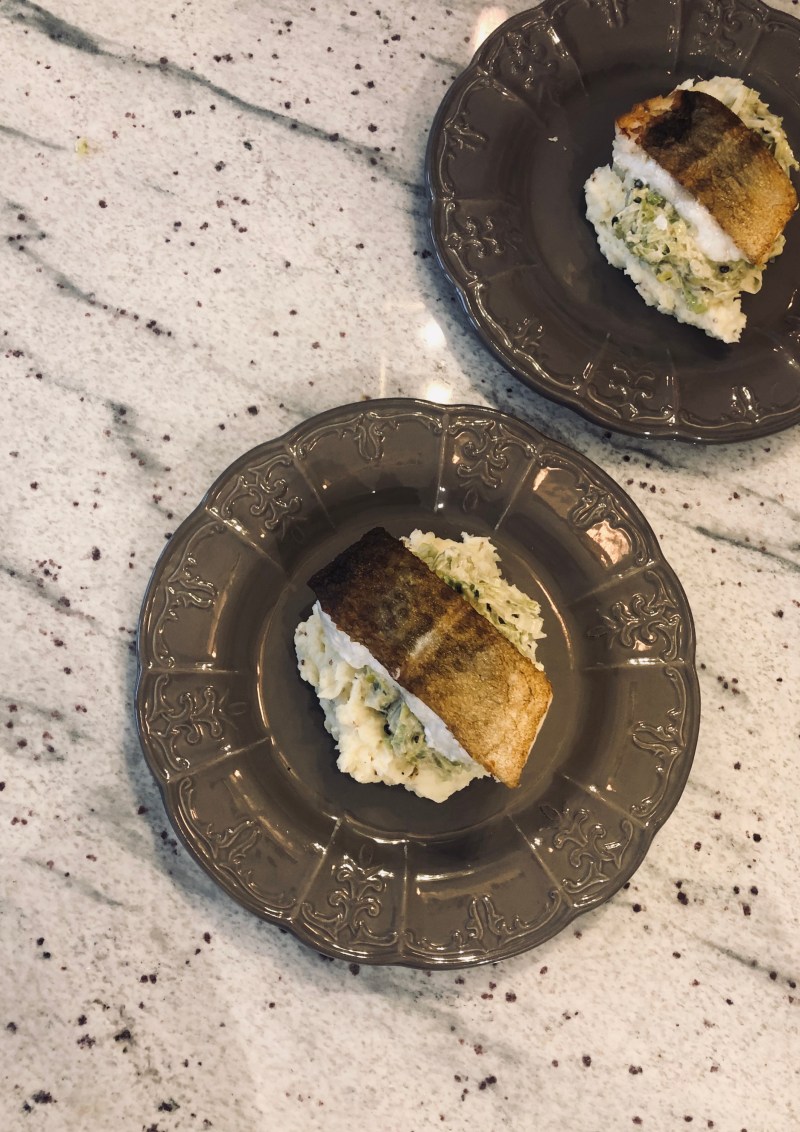
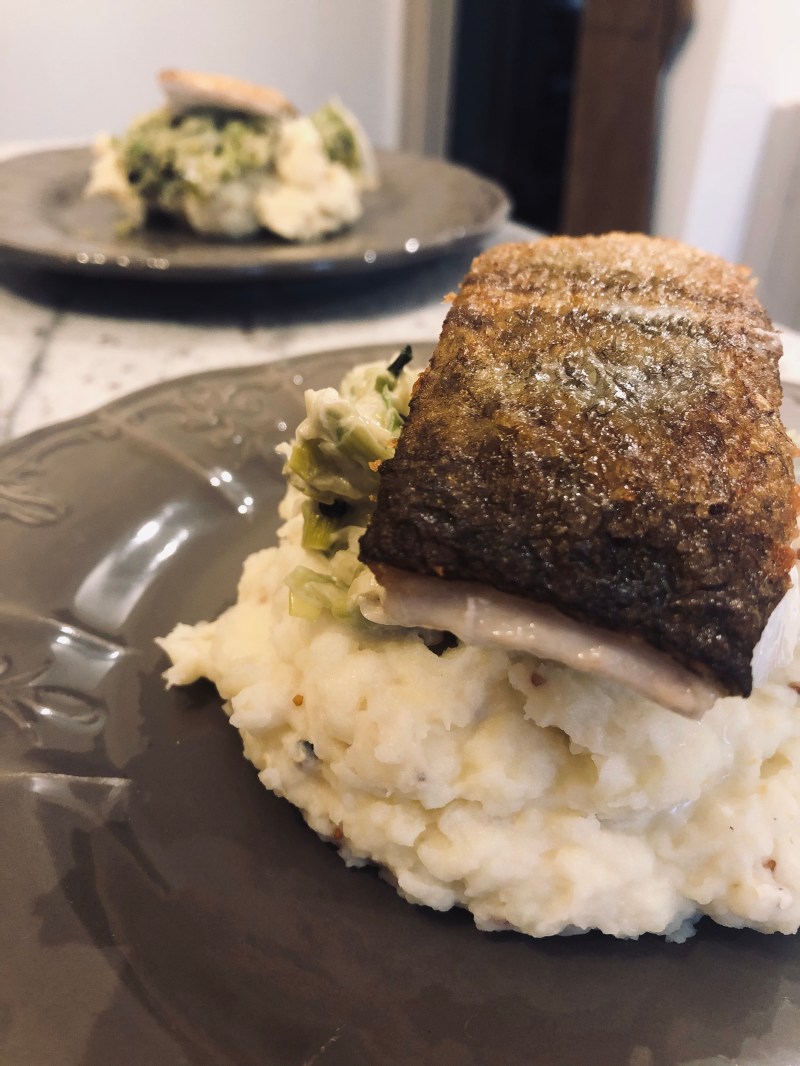
For the protein, re-place the chicken with sustainable sea bass

  1. To prepare your fish using a sharp knife make small cuts along the back of the fish as this helps to impart heat and flavour ensuring you achieve the perfect crispy skin.
  2. Place a large frying pan onto a medium – high heat, once lightly smoking and up to temperature add a little oil and place into the frying pan away from you (so that you don’t get splashed)
  3. Cook until lightly golden and crispy (around 70 % of the cooking time)
  4. Once cooked flip and baste with thyme infused butter.
  5. Remove and place onto a piece of J –cloth as this helps to absorb any excess cooking oils or butter.

To plate:

  1. Onto pre-warmed artisan plates lay your fennel to the left of the plate
  2. Next add your IPA braised shallot and then lastly your perfectly pan seared fillet of sea bass.
  3. For your chicken carve with the grain and lay onto the right of the plate, to finish add your chicken butter sauce and serve.
  4. Offer your guests some bread as that butter sauce is just to0 good. GG
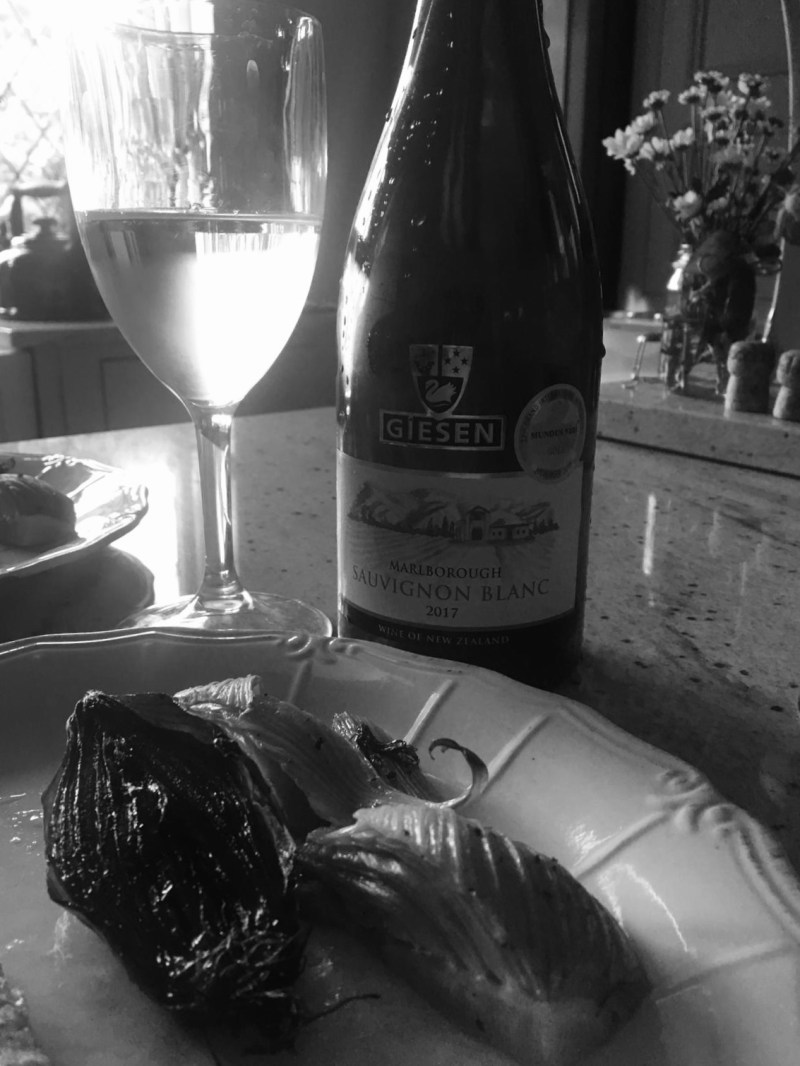
  5. Serve with a cold crisp bottle of Marlborough Sauvignon Blanc.

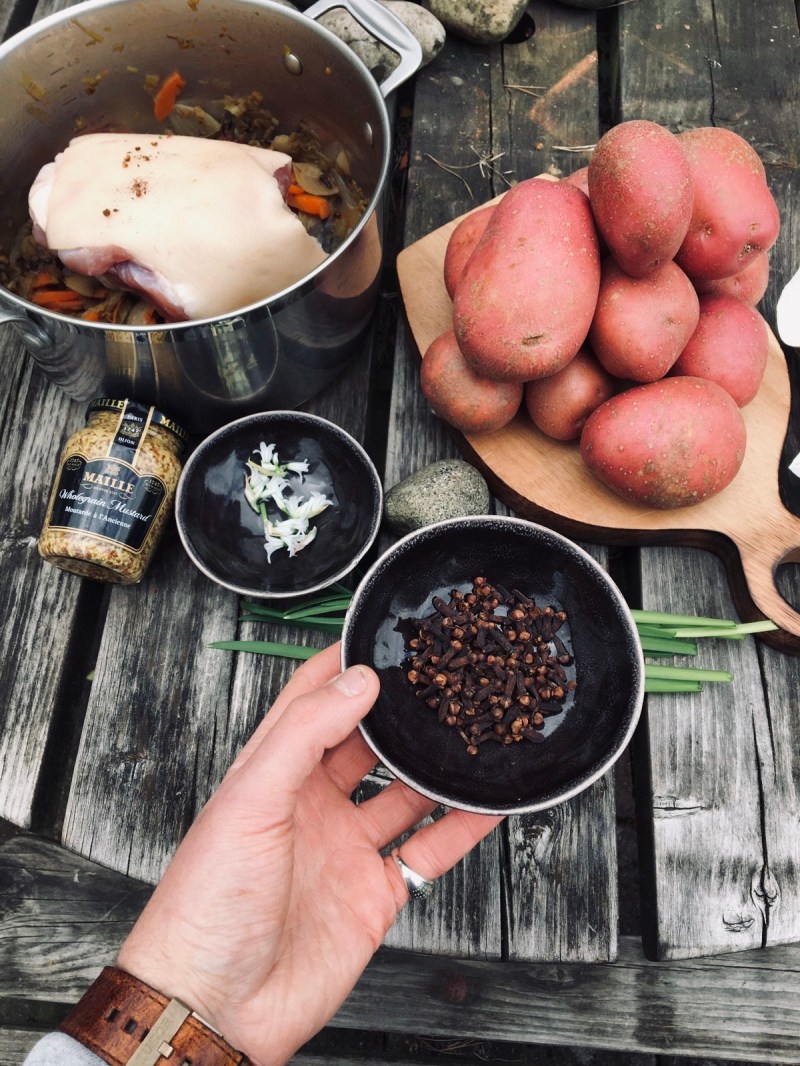
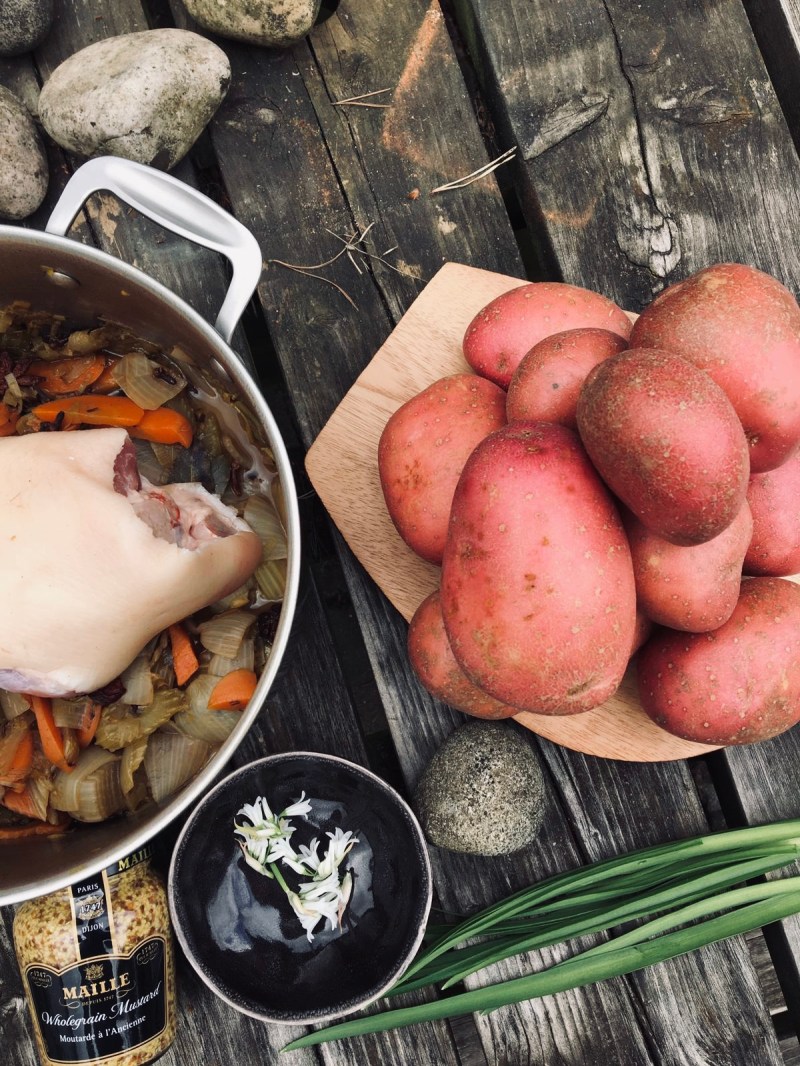
Ham Hock with honey, cloves, wholegrain pomme puree, and creamed leeks 

94e1a1a0-1719-4cd0-8025-6f40287072228e5c6e74-74db-4720-ab29-67fe746dacb47327bab5-b5f2-4a37-a356-99b0cad491f6850e7bb6-87b7-4093-922d-db847dd05446fe131ae8-be2b-4843-8696-be7ac7339d78f82e39bd-7569-4843-a8c2-0996125f12a626ae2aca-b1f5-476b-b617-4e8b275c6fd3a4075842-7043-476c-a31c-a162dd50dc7eee548ef1-2d95-4d17-a9b6-d715431f3f2fIMG_1233IMG_9915IMG_5243IMG_8416IMG_4259For your base:

  • Slice 2 carrots 
  • Peel and slice 2 onions
  • Slice 2 celery sticks
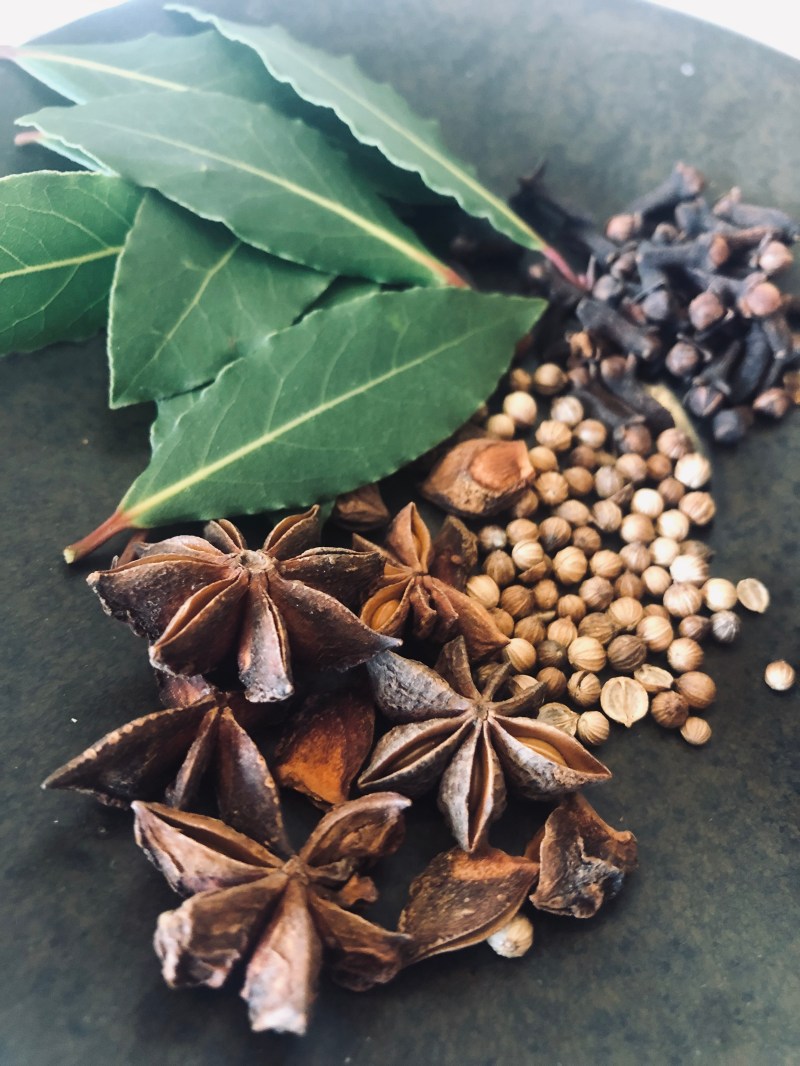
  • Bay leaves 
  • Peppercorns 
  • Star anise 
  • Coriander seeds 
  • White wine to deglaze 

When purchasing Pork ensure that you buy British, sustainable, free-range pork – not only for animal welfare but most importantly the British farmers, which rear and look after these animals.

1. In a large saucepan add a drizzle of olive oil, once the pan has began to lightly smoke add in your vegetables allow to softened and colour a little as this will help to impart flavour and depth to the stock. 

2. Once the vegetables have cooked through, deglaze with a little white wine. Once deglazed add in your aromats and allow to infuse – you want to cook out the alcohol from the white wine or otherwise this will taint the taste of cooking liquor. 

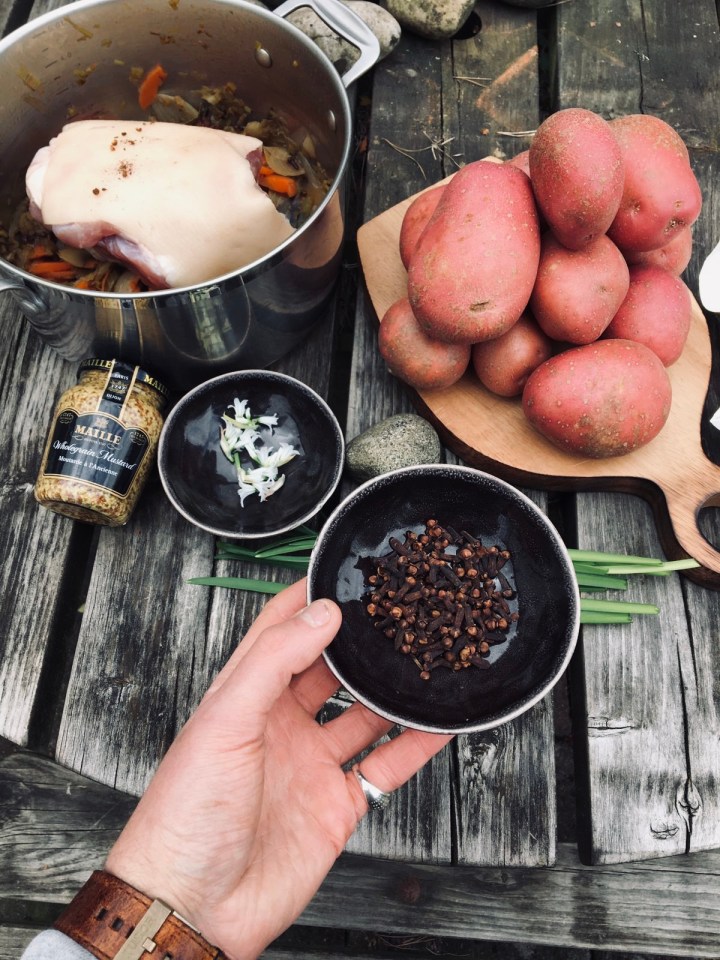
3. Before cooking your ham hock, wash the ham to remove any excess salt or debris. Ham hocks are known as a lesser cut of meat, also going by the name of pork knuckles. 

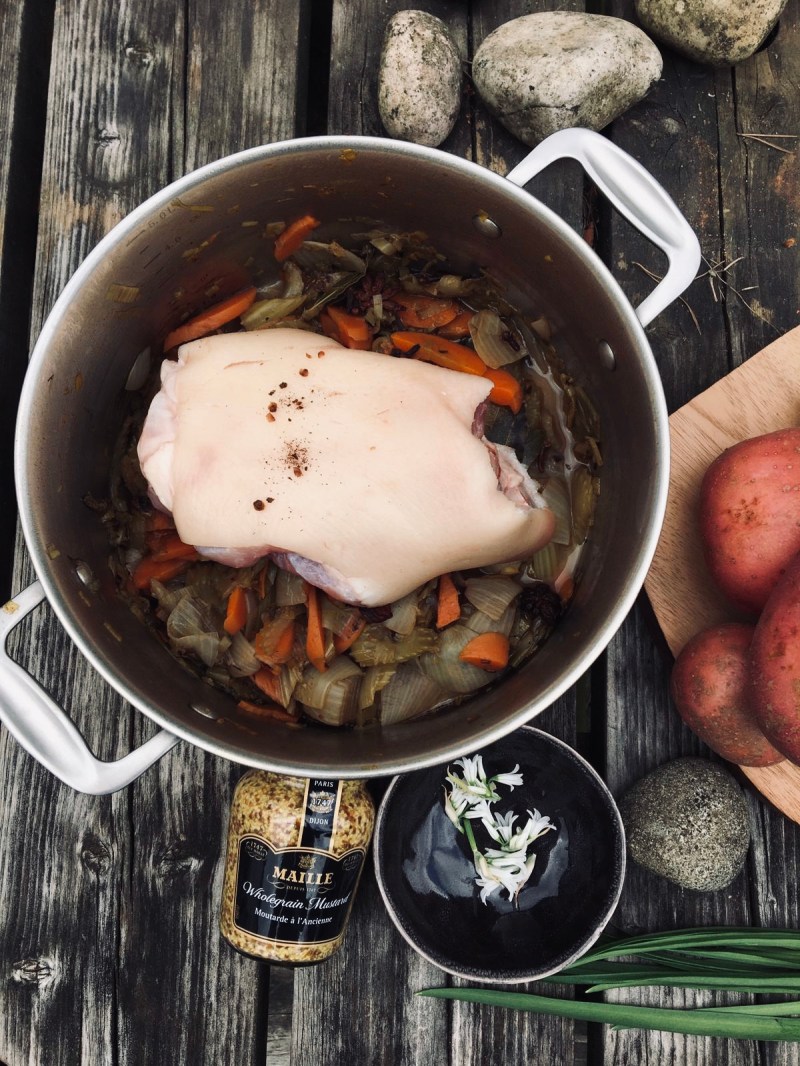
4.Place your Ham Hock onto the base of your vegetables this is also known as a trivet, this helps to impart the flavours into the ham hock whilst it is cooking. 

5. Cover with cold water and bring to the boil, then allow to simmer for 1 hour 15 minutes until the ham hock is cooked all of the way through; the way to tell, is that the bone should pull away with no resistance. 

6. Once the ham hock is cooked allow to cool in the liquor. 

7. You can keep the stock from the ham hock to make a delicious onion and bacon soup. 

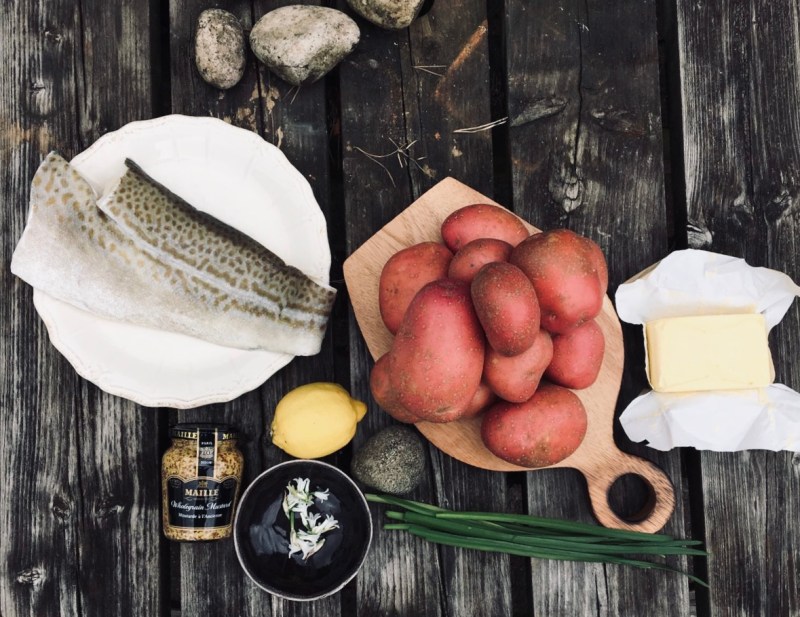
For a pescatatrian option serve with a fillet of sustainable pan served Cod, once the fish is pan seared, baste with lemon thyme infused butter. 

Creamed Leeks and three corned garlic leaves:

  • 5 large leeks washed and trimmed – finely sliced 
  • 60 ml of double cream 
  • 2 teaspoons of wholegrain mustard 
  • Black pepper 
  • Pinch of sea salt 
  1. To begin place a medium sized pan onto a low heat. Add a dash of olive oil, once the pan is up to temperature add in your leeks and allow to sweat a little with the addition of sea salt and freshly cracked black pepper. 
  2. Once the leeks are cooked through and soft, add in your cream along with two heaped teaspoons of wholegrain mustard. 
  3. Allow the cream to reduce a little as this helps to coat the leeks. 
  4. Once the leeks are cooked through and ready, serve into a pre-warmed bowl. 
  5. Creamed leeks are a great addition to this dish as they are classic with both pork and pomme puree. 

Pomme Puree:

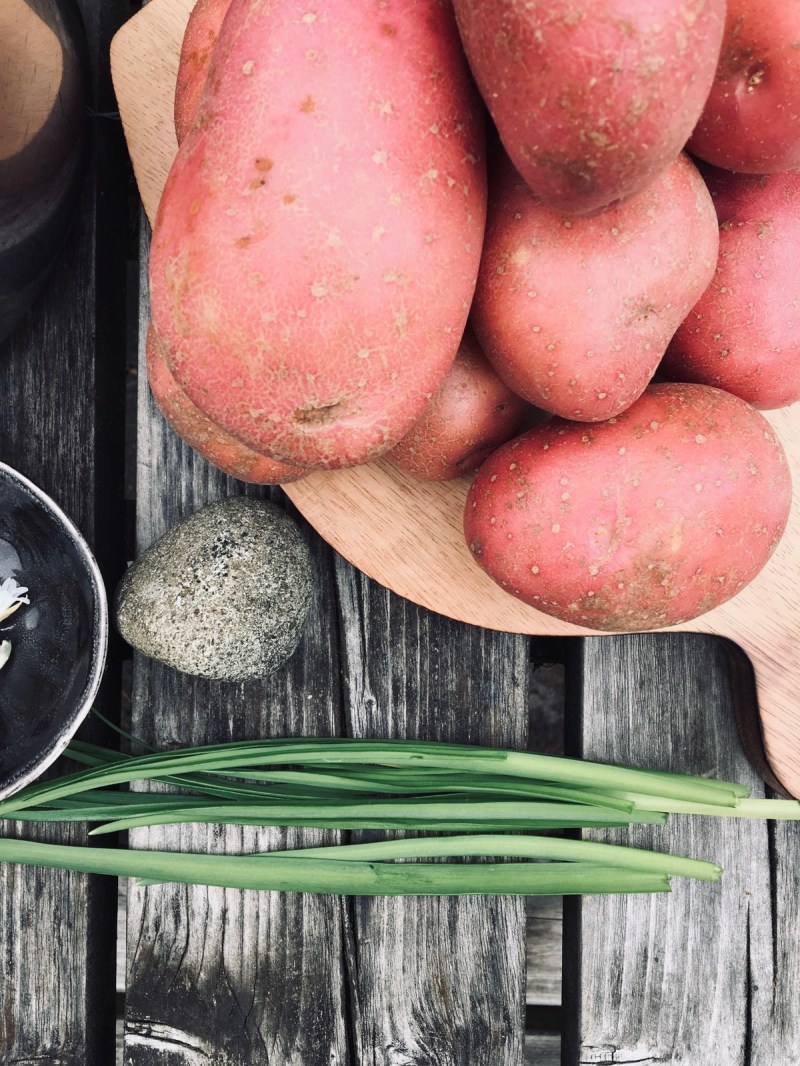
  1. Peel 800 grams of red ruby mashing potatoes, place into a medium saucepan and cover with cold water. So that the potatoes cook quicker and more evenly, ensure that you cut them into equal pieces and add a pinch of salt. 
  2. Place onto a high heat, once the pan has come up to a boil, reduce to a simmer and poach for 12 minutes, until they can be pricked with a paring knife. 
  3. Once the potatoes are cooked and ready drain and allow to steam, as this helps to ensure for a smoother silky pomme puree. 
  4. Return back to the pan add butter and milk, now mash until you have a smooth mash potato, for best results you can use a drum sieve as this helps to remove any lumps from your potato. 
  5. But don’t over work the potatoes are otherwise they will be gluey. 

To plate serve onto a pre-warmed artisan plate, begin with the pomme puree, then top with the creamed leeks and to finish add your ham hock and serve with a crisp glass of pinot. 
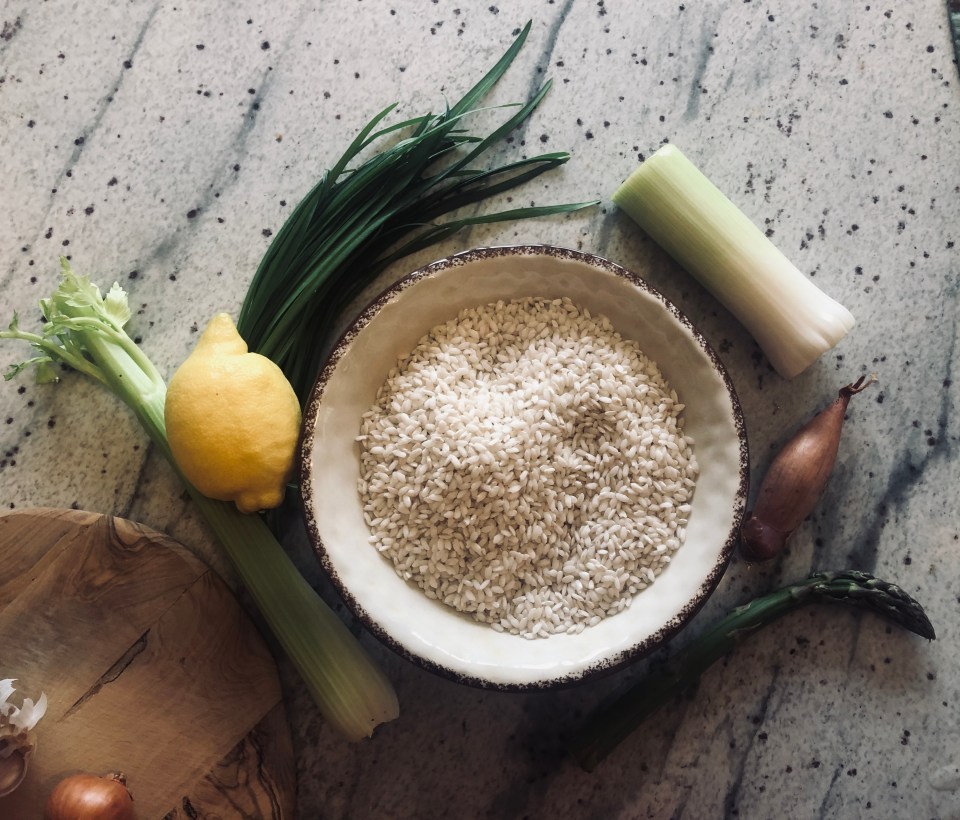
Spring Risotto

IMG_4955IMG_5040IMG_5938IMG_2356IMG_9128IMG_2050IMG_0135IMG_3795IMG_3718IMG_3858IMG_3054Vegetable Stock:

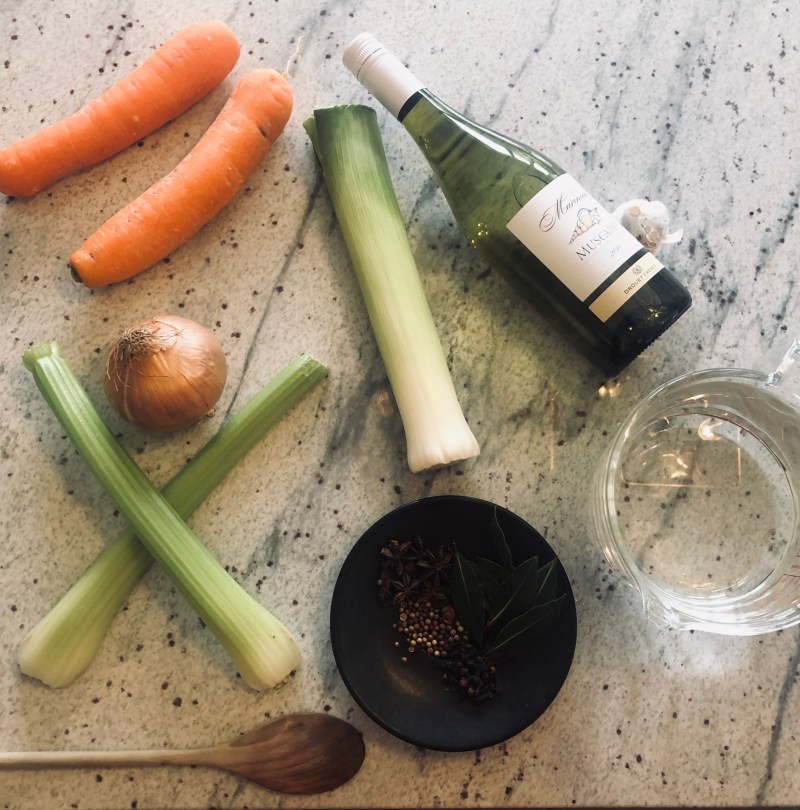
  • 2 carrots
  • 1 white onion
  • 2 sticks of celery
  • ½ leek washed
  • Coriander seeds
  • Four bay leaves crushed and bruised
  • ½ teaspoon of Cloves
  • ½ teaspoon of Star Anise
  • 200 ml of Muscadet
  • 2 litres of cold water
  1. To begin this stock, place a large pan onto a medium heat with a touch of oil.
  2. Once the pan has began to lightly smoke, add in your cut vegetables, allow to colour as this helps to impart flavour and depth to your stock.
  3. Once your vegetables are lightly golden brown and tender, add your 200 ml of white Muscadet.
  4. Then crush your aromats and allow to infuse in the wine as this again gives the wine another depth of flavour, additionally if you crush and bruise your bay leaves, t you have that beautiful aniseed aroma.
  5. Once the pan is deglazed add your water and allow to infuse for at least 30 minutes, bring the stock to the boil and then reduce to a low simmer as this allows the stock to relax.
  6. Once at this point pass and strain the stock through a chinois as this helps to remove any impurities from the stock

N.B – Reserve the vegetables as these can be used to cook with a gammon or ham hock, as this dish promotes no waste, pure goodness!

Risotto:
Base:

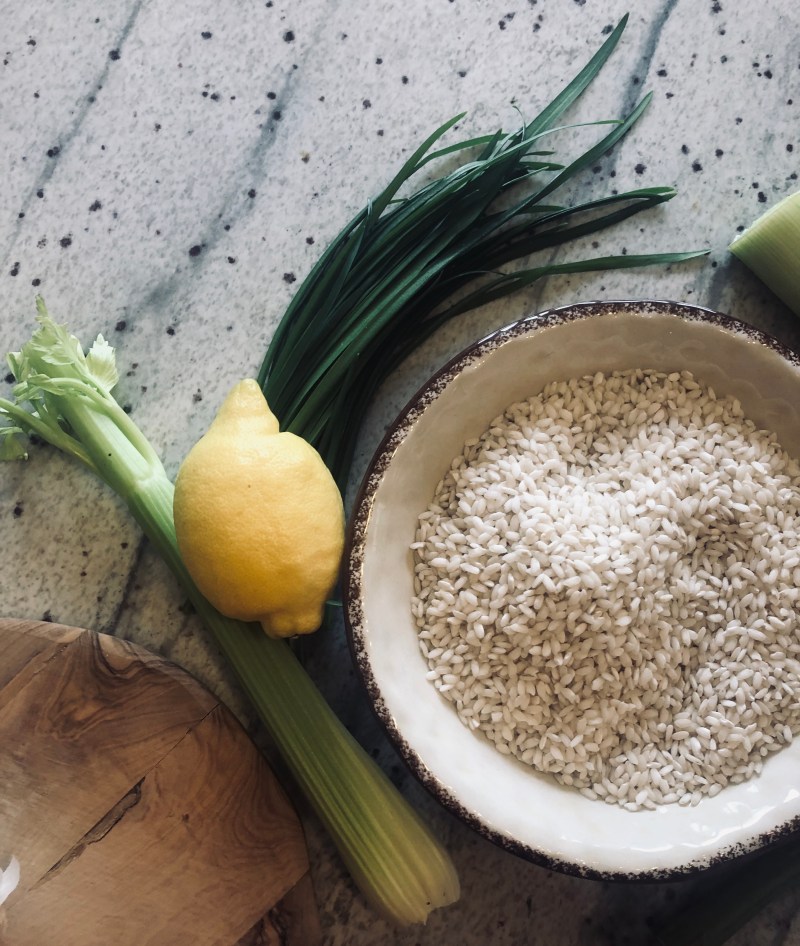
  • 2 sticks of celery finely bruised
  • ½ leek finely sliced
  • 2 cloves of garlic crushed and diced
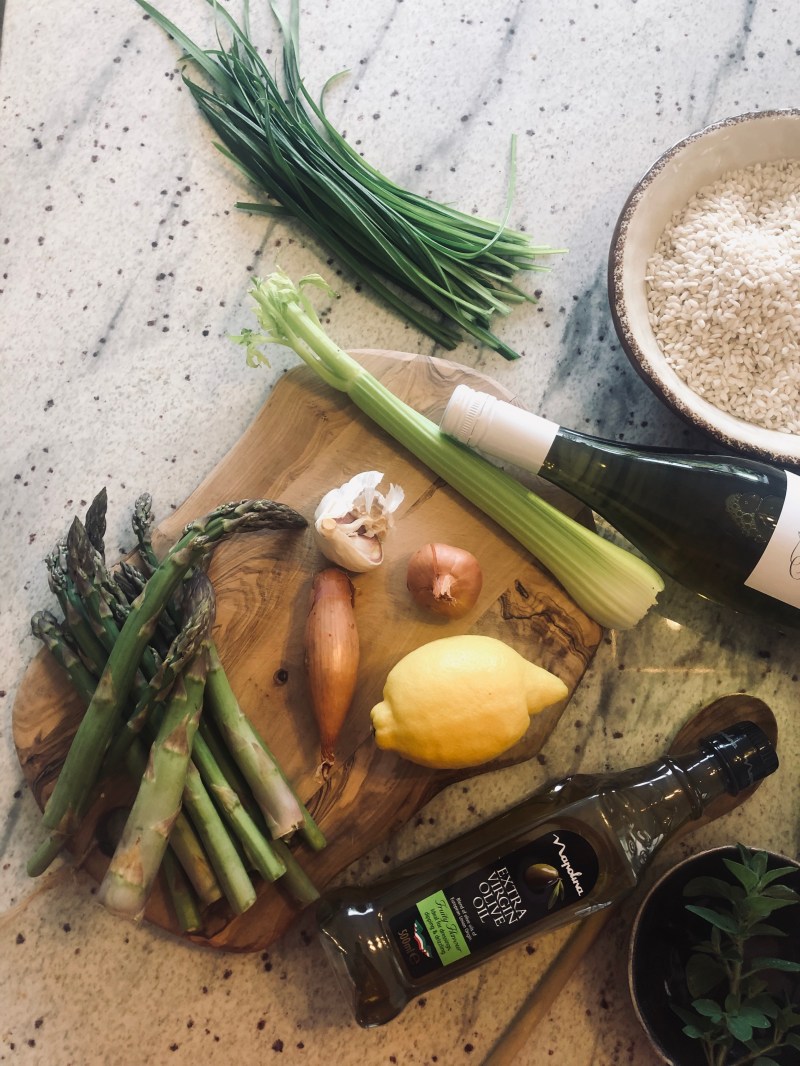
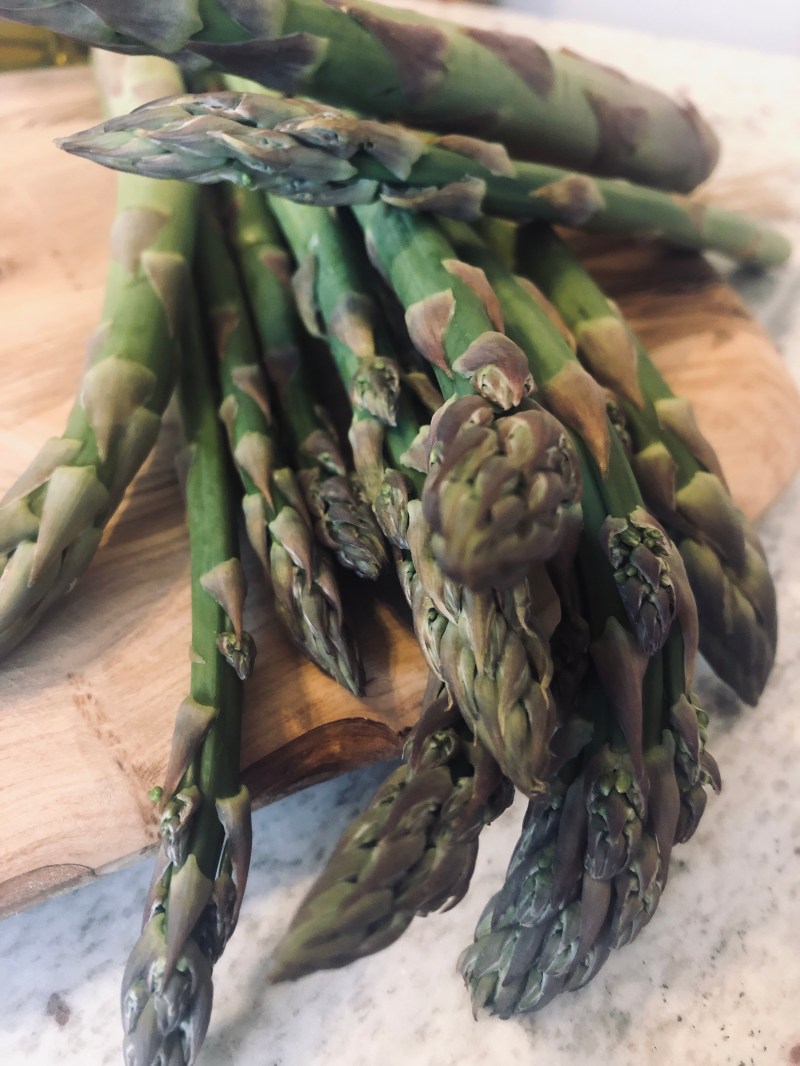
  • Asparagus (trimmed)
  • Three Cornered garlic
  • 800 grams of risotto rice
  • 100 ml of Muscadet white wine
  1. To begin your base, place a medium sized pan onto a medium heat, once the base has come up to temperature add a dash of olive oil then add your base as this is what makes the risotto.
  2. Ensure that you cook the risotto base slowly and over a low heat as this helps to release their essential oils and flavour.
  3. This takes around 25-30 minutes add a little salt and pepper as this helps to form the base of the risotto.
  4. Next deglaze with a little Muscadet white wine, once the wine has reduced and glazed add your risotto rice and allow to toast – by toasting the grain, you allow the rice to open up which helps to release their starch, which in turn thickens up the risotto.
  5. Next add your three cornered garlic, and once the rice is ready add a ladle of stock one at a time.
  6. Allow the rice to absorb the stock. As this helps to ensure a creamy and luxurious risotto.
  7. Make sure to add enough stock at a time. Ensure that the rice is al dente (meaning a little bite)
  8. To finish the rice off you can add a knob of butter, which helps to gives the rice a gloss and shine, but for dairy free eaters add a little cold pressed olive oil.

The Asparagus

  1. Add your asparagus, to a lightly oiled tray with a little sea salt black pepper and lemon juice
  2. Place under a grill and griddle until tender and sweet
  3. Allow to cool, then squeeze over the charred lemons which at this point are juicy and sticky.

To accompany this dish slice some rustic bread and toast, then slice a clove of garlic in half and rub over the bread drizzle with cold pressed olive oil and place onto a wooden board and serve.

To plate
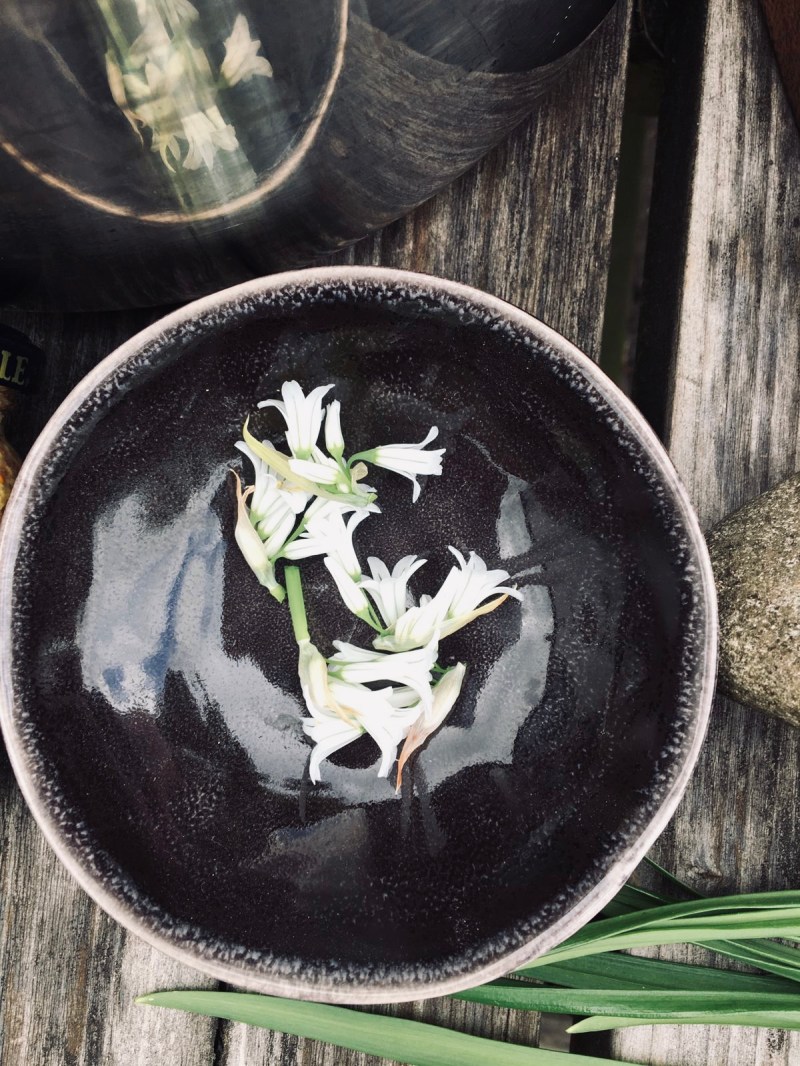
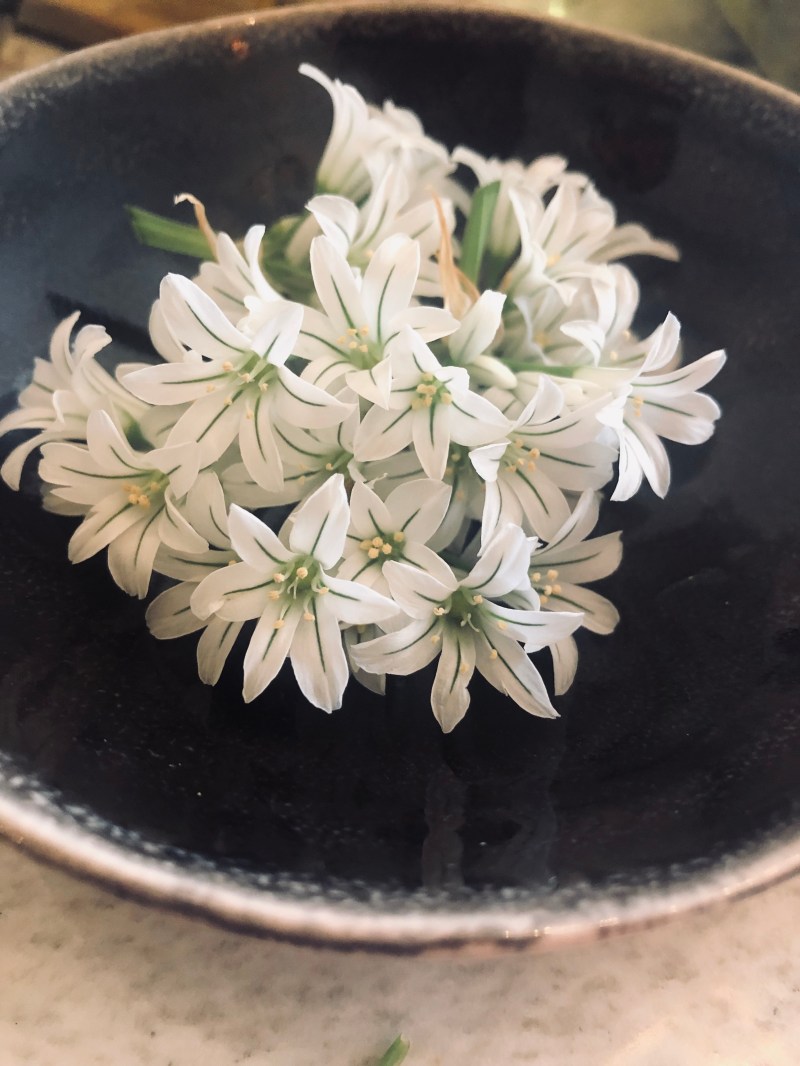
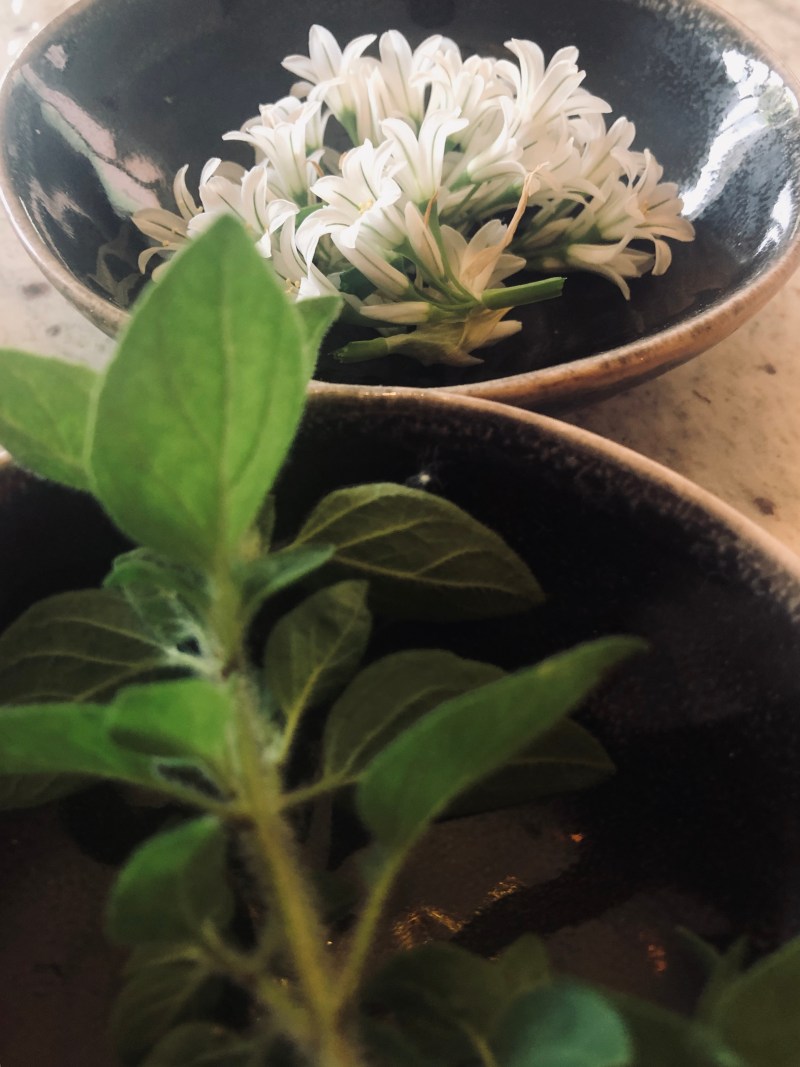
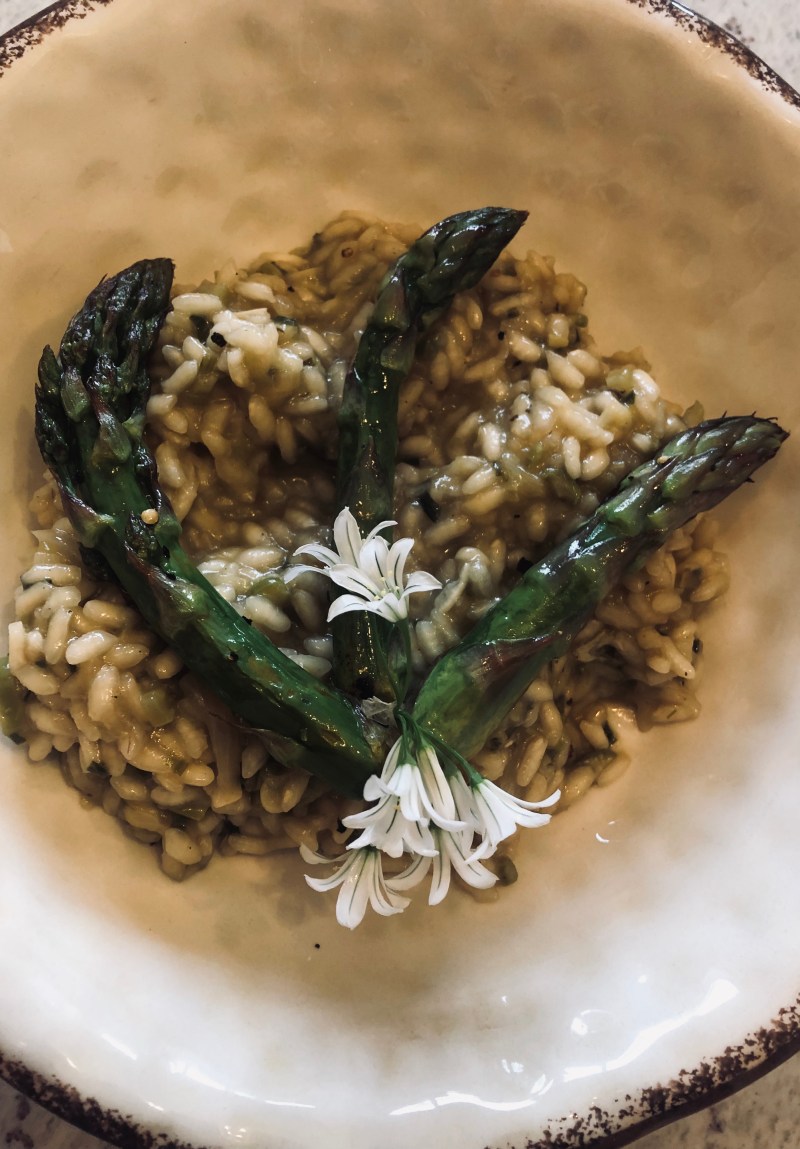
In pre-warmed artisan bowls, serve up your risotto and top with your lemon char grilled asparagus, add three per dish. Top with your foraged wild three corned garlic flowers.
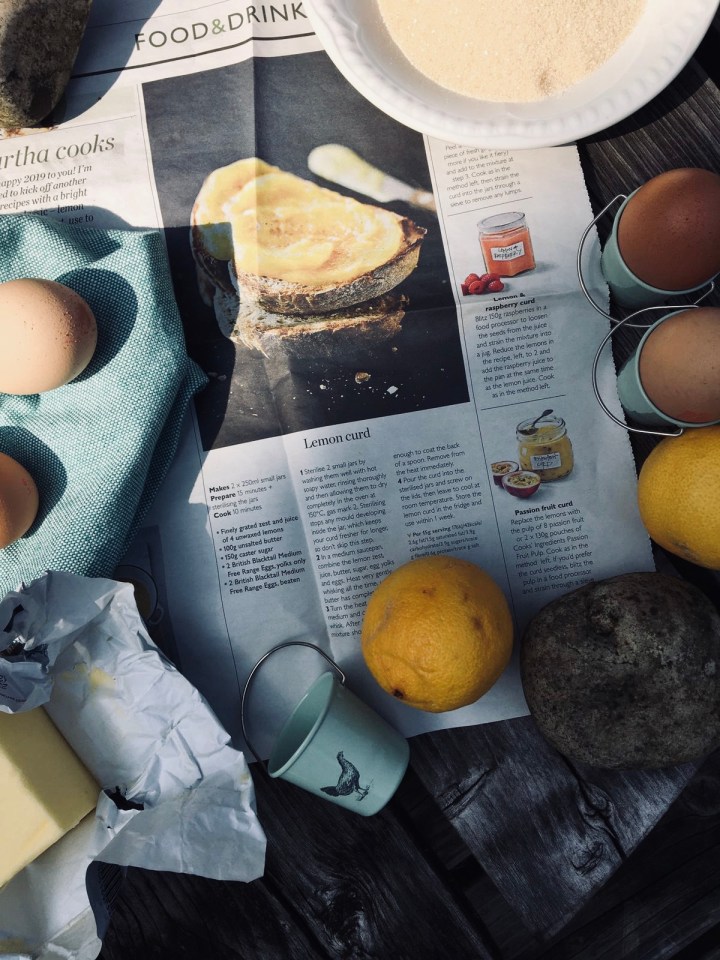
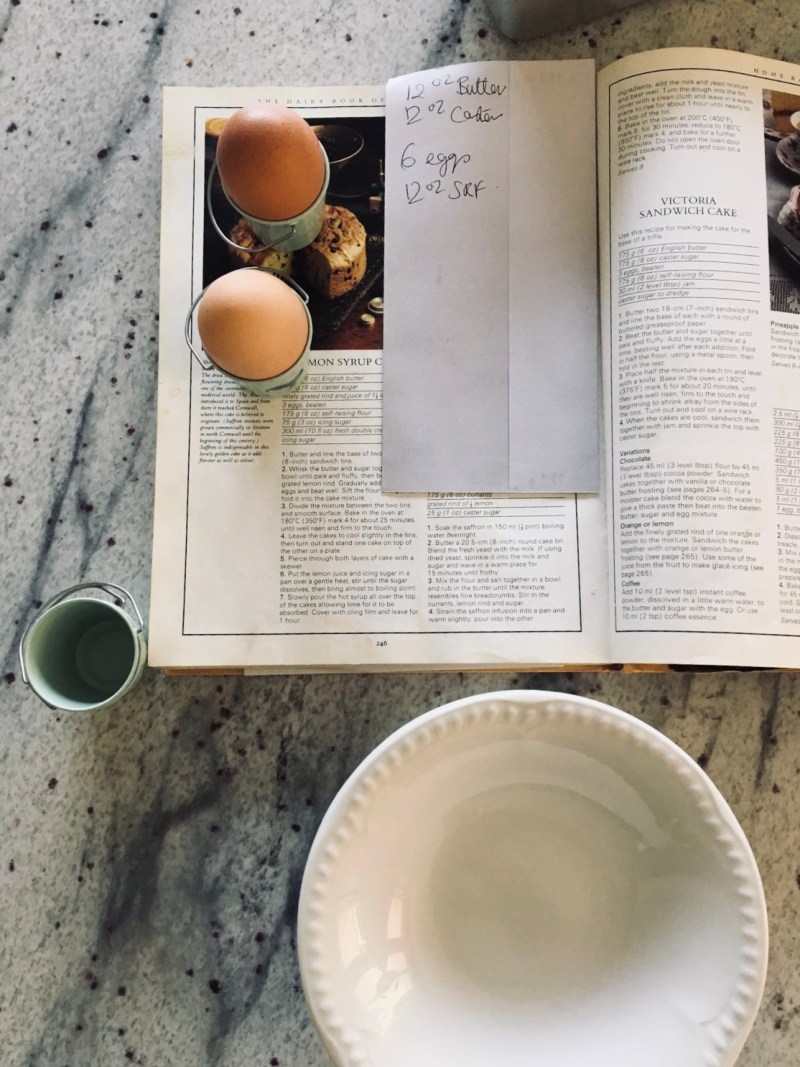
Lemon Curd and Buttercream Victoria Sponge Cake

ef598eeb-6f2d-4896-bf44-948adc84ba6a89c49005-1a3e-4233-a928-a8db1211fdbeffafa8a6-aeb5-47ce-bdf0-05be07854214401016f4-1dc2-4a3f-9139-a7fee76f0c8d66a063f3-4369-4703-b7ab-ab7a76c6d0ea3f854013-4942-44b3-9453-8f92e3dd57958659dc03-678e-4312-b097-ebf80c6bec8a37ca849f-2c16-4bb2-bb4c-80810145c53215226f96-b3b8-428b-9ae6-6a92734b893f28d20113-26a9-4953-9344-733ff89cdf3c5d76e38d-82ca-45fb-b556-3992394488b72c9b35d0-36a0-4c6a-abc3-05d6a585fbc3d31778f5-7c2c-4b90-945b-7c9a805a8b4e835706fc-64d2-4118-b04f-cf05078561a0Lemon thyme and lemon curd:

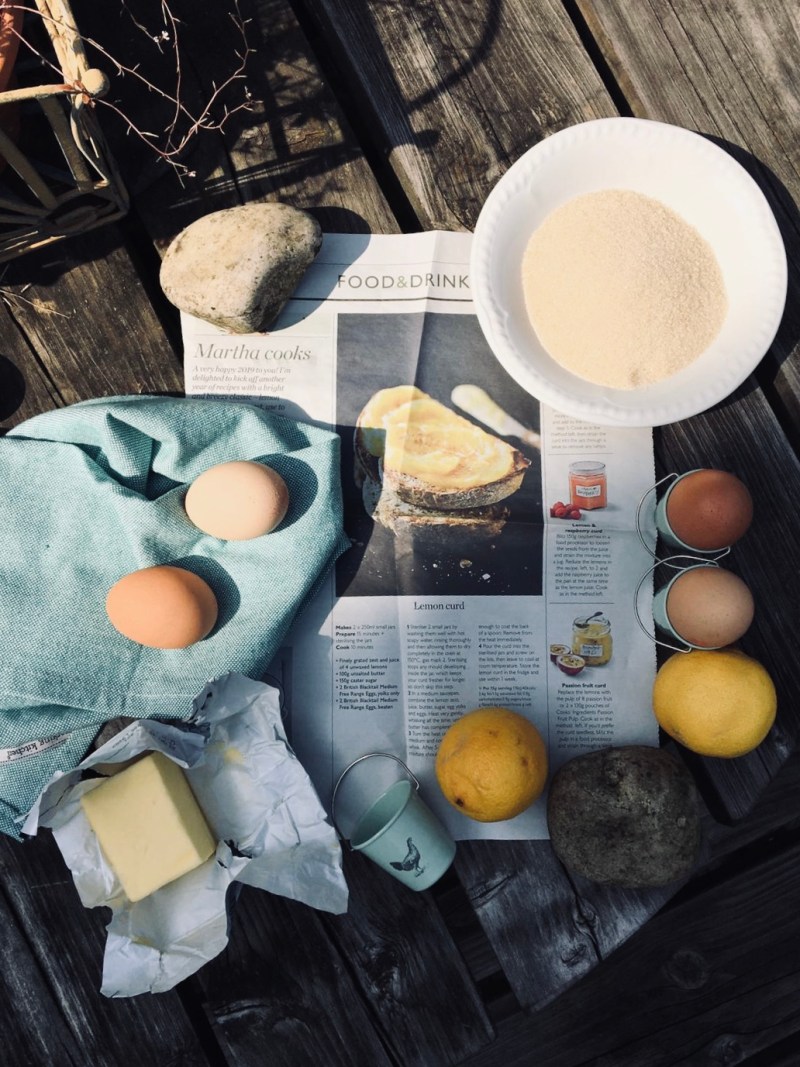
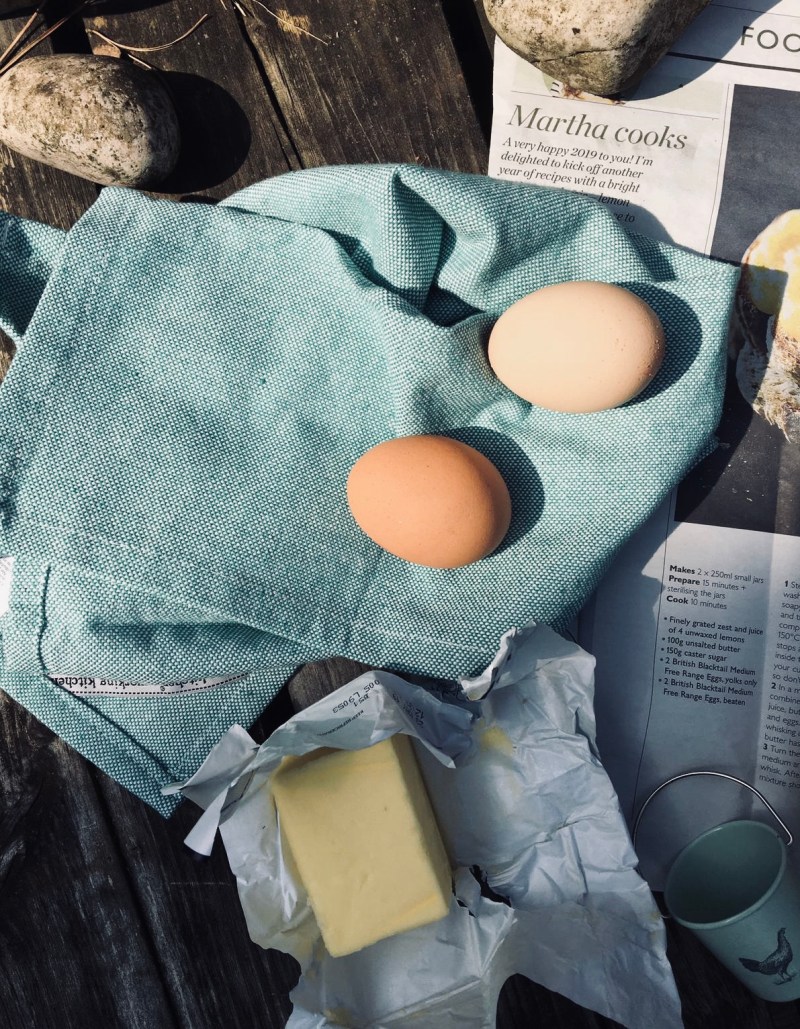
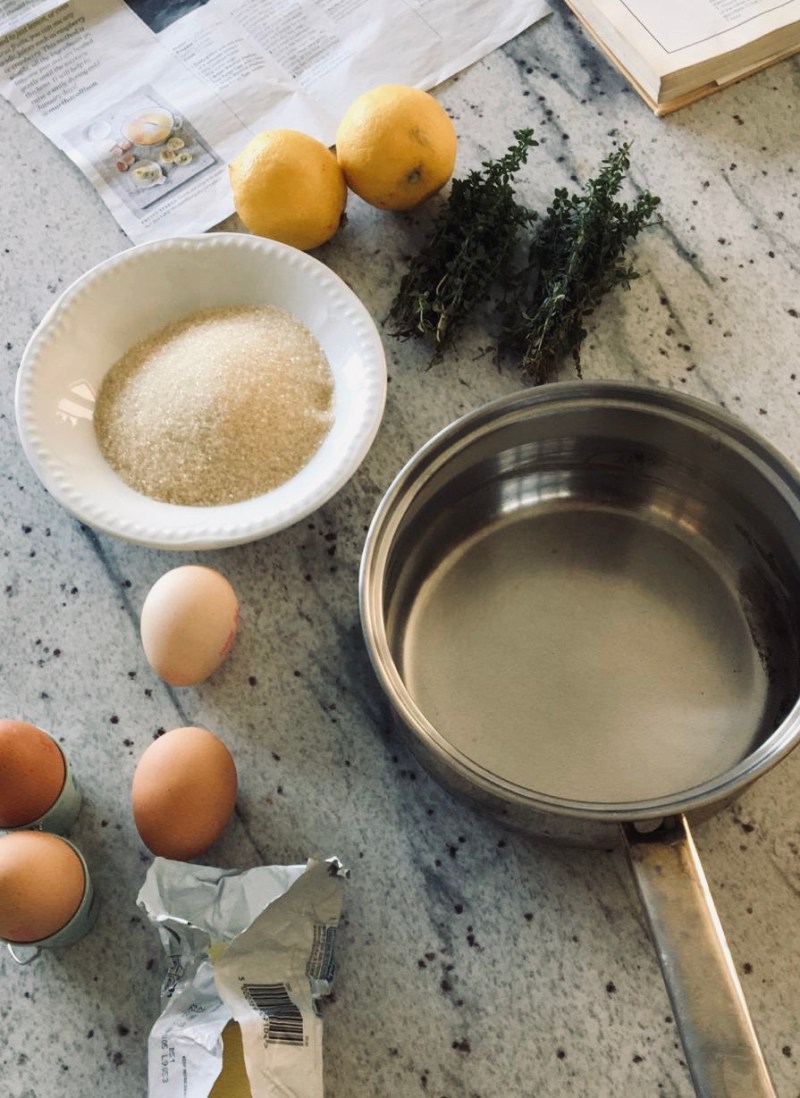
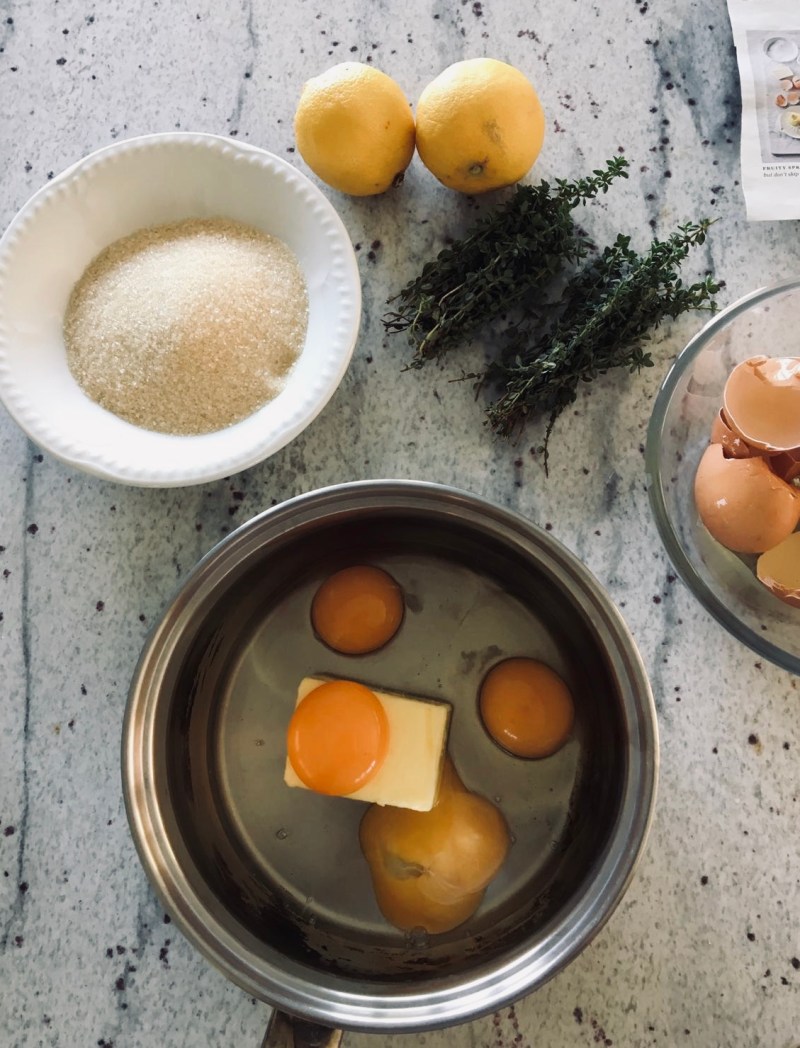
  • The zest and juice of 4 unwaxed lemons
  • 100 grams of unsalted butter
  • 150 grams of golden caster sugar
  • 2 free range egg yolks
  • 2 whole free range eggs
  • Freshly picked lemon thyme
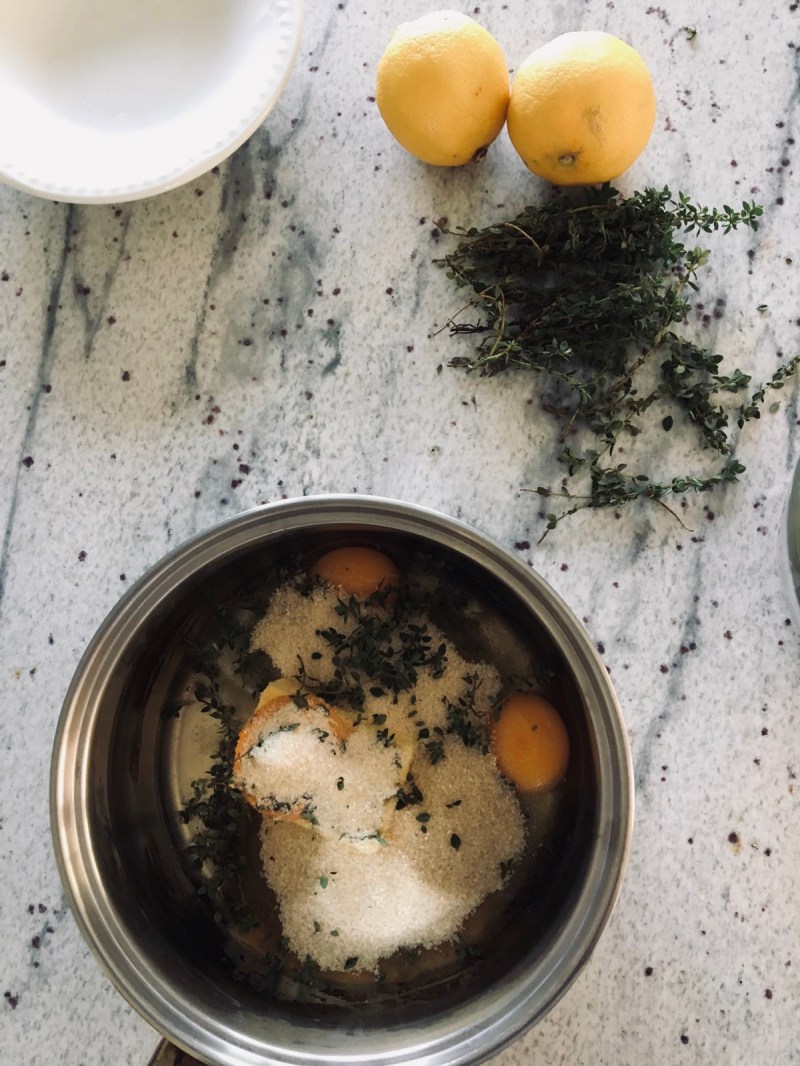
  1. In a medium saucepan add your lemon zest, juice, butter, golden caster sugar, egg yolks and eggs. Place over a gentle heat and whisk consistantly until the butter has begun to melt and emulsify.
  2. Next once the butter is melted, build the heat gradually and whisk constantly for 5-6 minutes until the mixture thickens, ensure you whisk all of the time or you will just have scrambled eggs.
  3. Once the curd has thickened place a teaspoon into the mixture, to check the mixture holds, this will tell whether it is thick enough.
  4. Once the curd is ready, sterilise your jars using boiling hot water.
  5. If the curd is not for immediate use, pour into your jars and seal immediately.
  6. Once heat-sealed they will last up to 1 month in the fridge as they contain high risk food types such as dairy and eggs.
  7. For immediate use place into the fridge and allow to cool, to stop a skin from forming place a disc of greaseproof paper over the top.

Lemon Butter cream:

  • 9 0z of unsalted butter
  • 9 0z of icing sugar
  • 10 ml of lemon juice
  1. To begin this quick citrus butter cream, in a large mixing bowl place your softened butter along with your icing sugar and a touch of lemon juice.
  2. Stir to incorporate and once you have a soft lump-free butter cream reserve in the fridge until required later.
  3. When applying your buttercream ensure that your cake is cool, so that the butter cream doesn’t just melt.

Victoria Sandwich Cake:

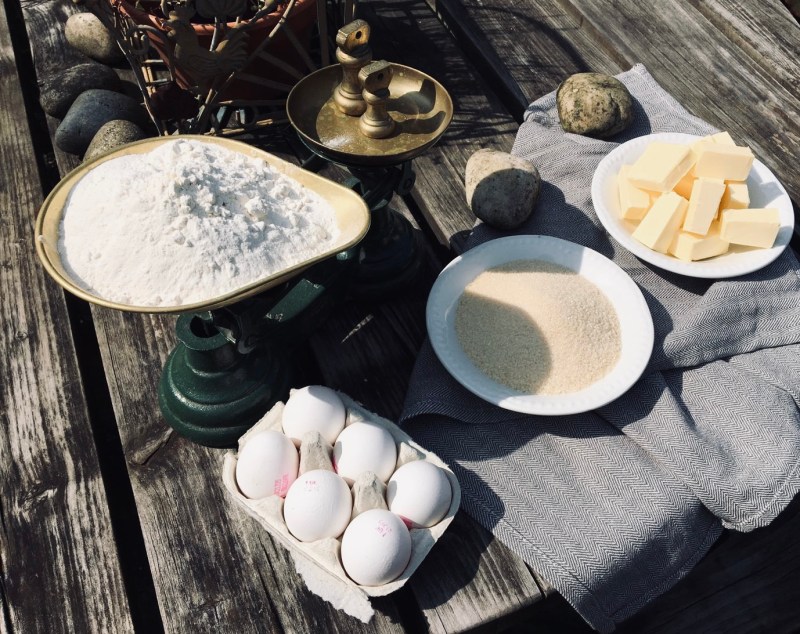
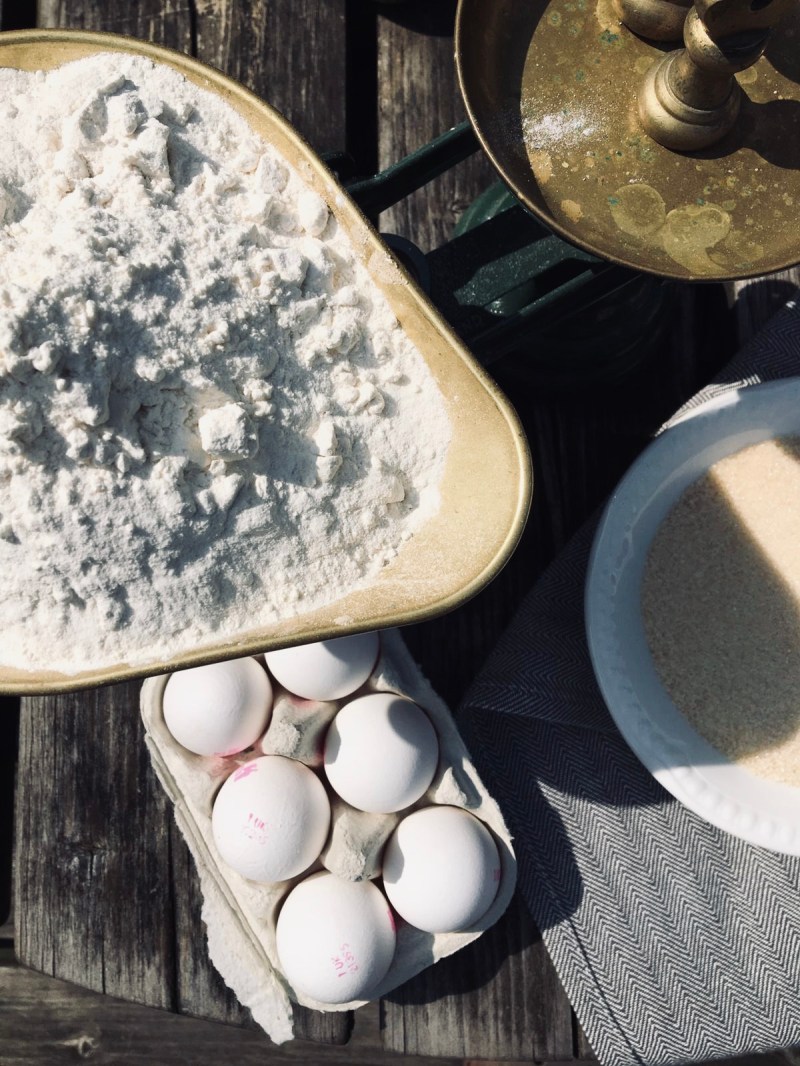
  • 12 oz unsoftened butter
  • 12 oz golden caster sugar
  • 6 large free range eggs
  • 12 oz self raising flour
  • a handful of poppy seeds
  1. To begin butter two 18 Cm sandwich tins and line each with greaseproof paper.
  2. Beat the softened butter along with the caster sugar in a large mixing bowl until pale and fluffy. Once at this stage add one egg at time, beating well after each addition.
  3. Next add in half the flour and your poppy seeds, as this helps to stabilise the sponge mixture. Using a metal spoon, fold the rest in a figure of eight.
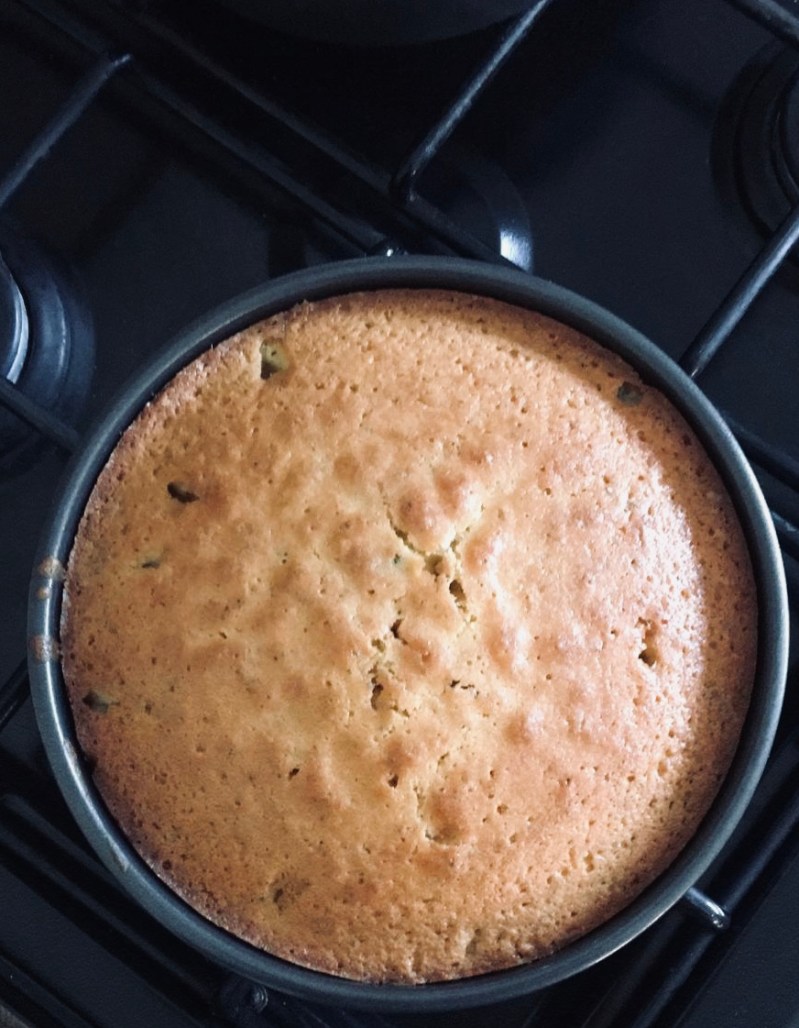
  4. Once all of the flour has been incorporated into the mixture place half of the mixture into each of the tins evenly. Bake in the oven at 190 degrees, (gas mark 5) for about 20 minutes.
  5. Bake until they are well risen, firm to touch and have begun to shrink from the edges of the tins.
  6. Once warm and cooked through allow to cool on a wire rack.
  7. One great method of checking your cake is cooked is to use a round edged knife or cake skewer.

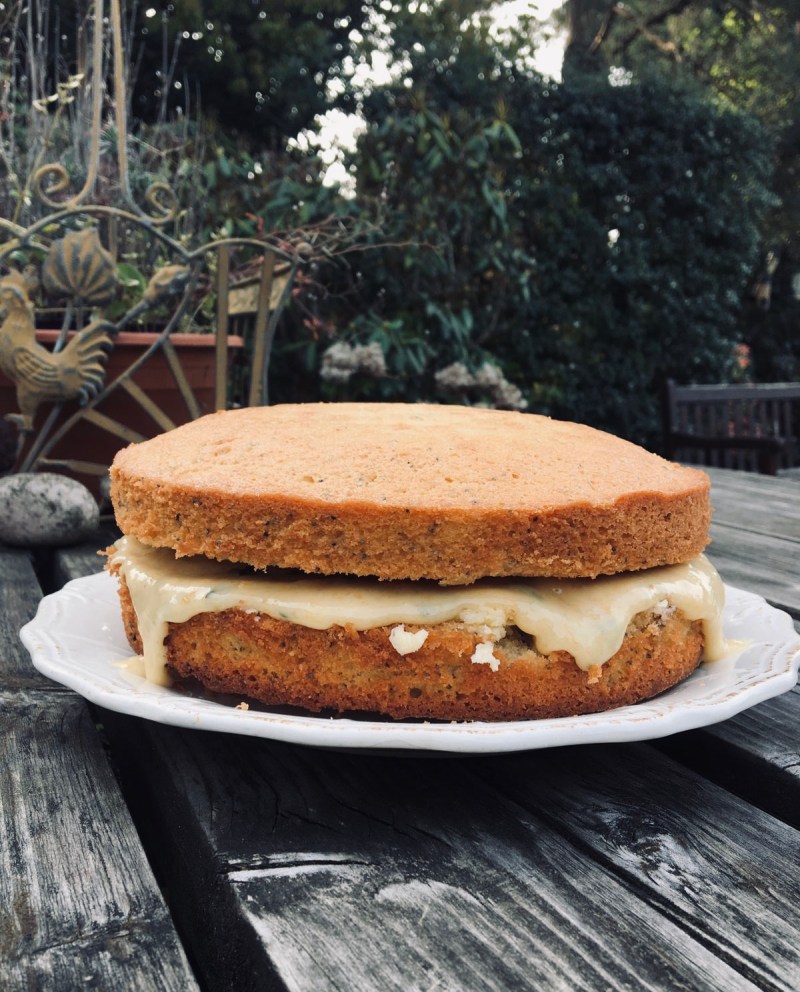
Assemble your two sponges, sandwiched with buttercream and lemon curd and ENJOY in the bank holiday sunshine!
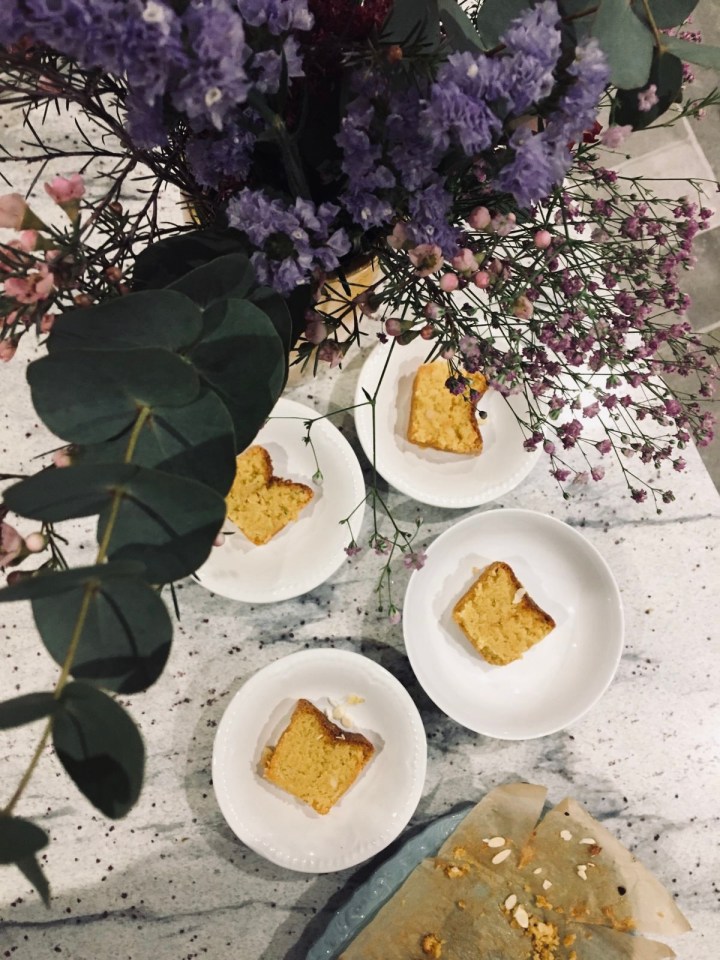
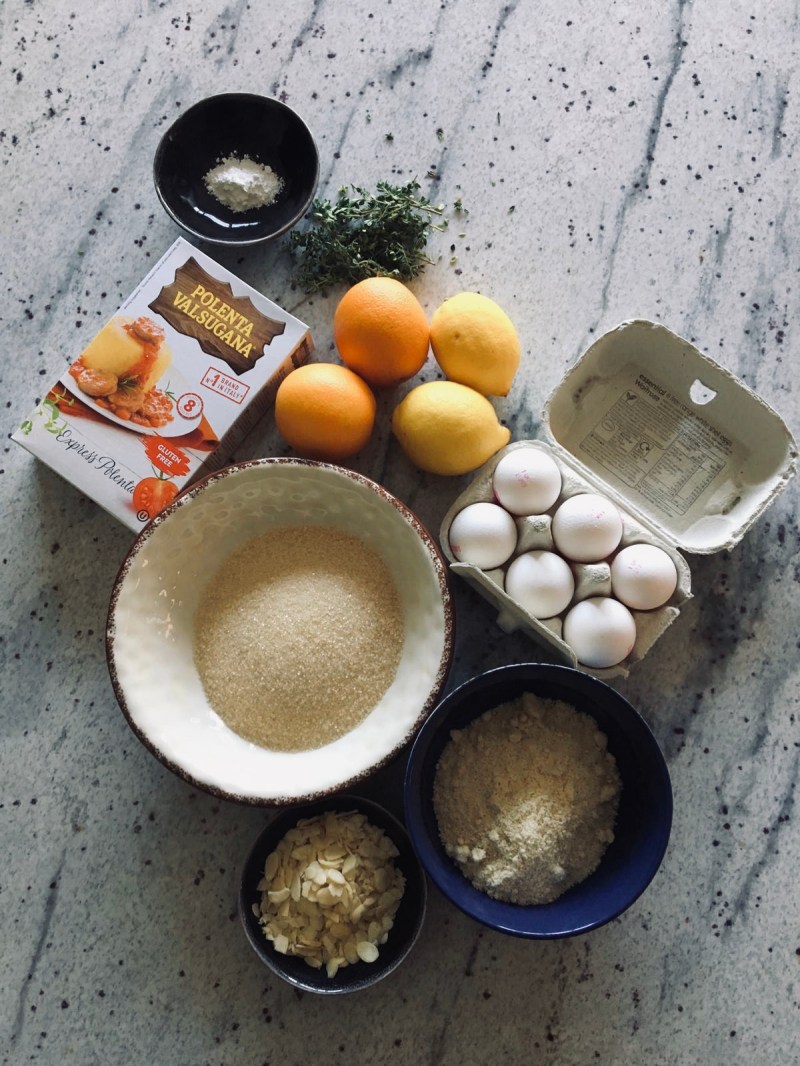
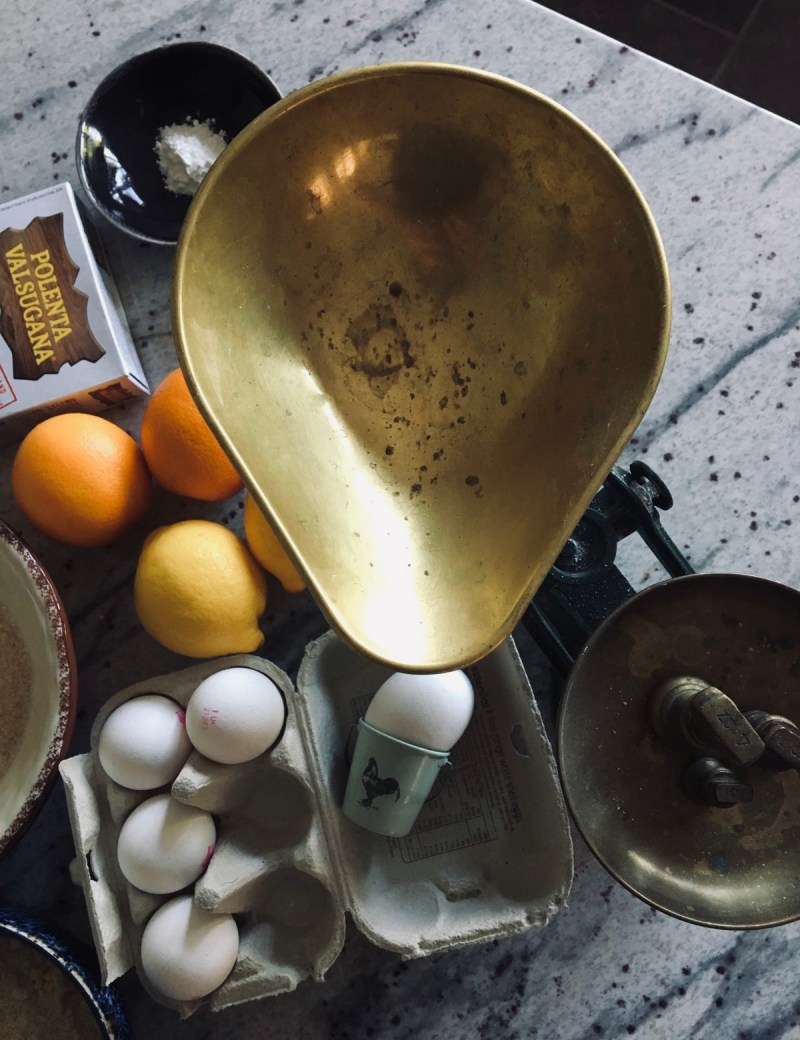
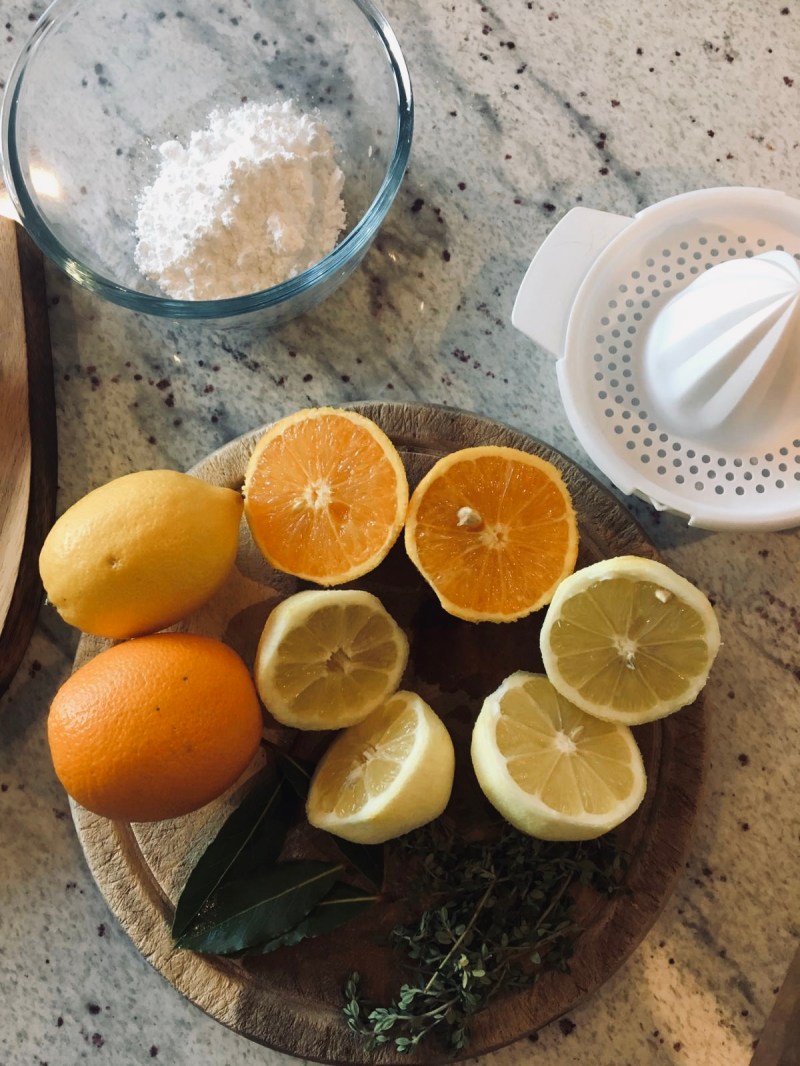
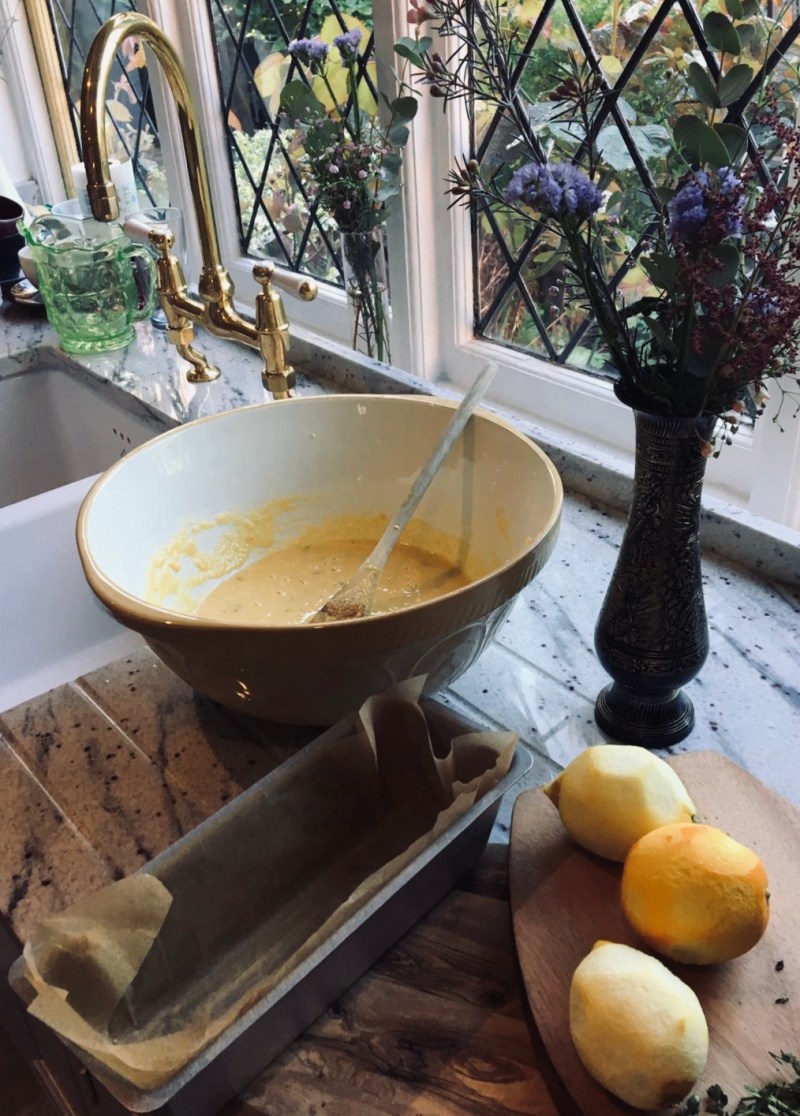
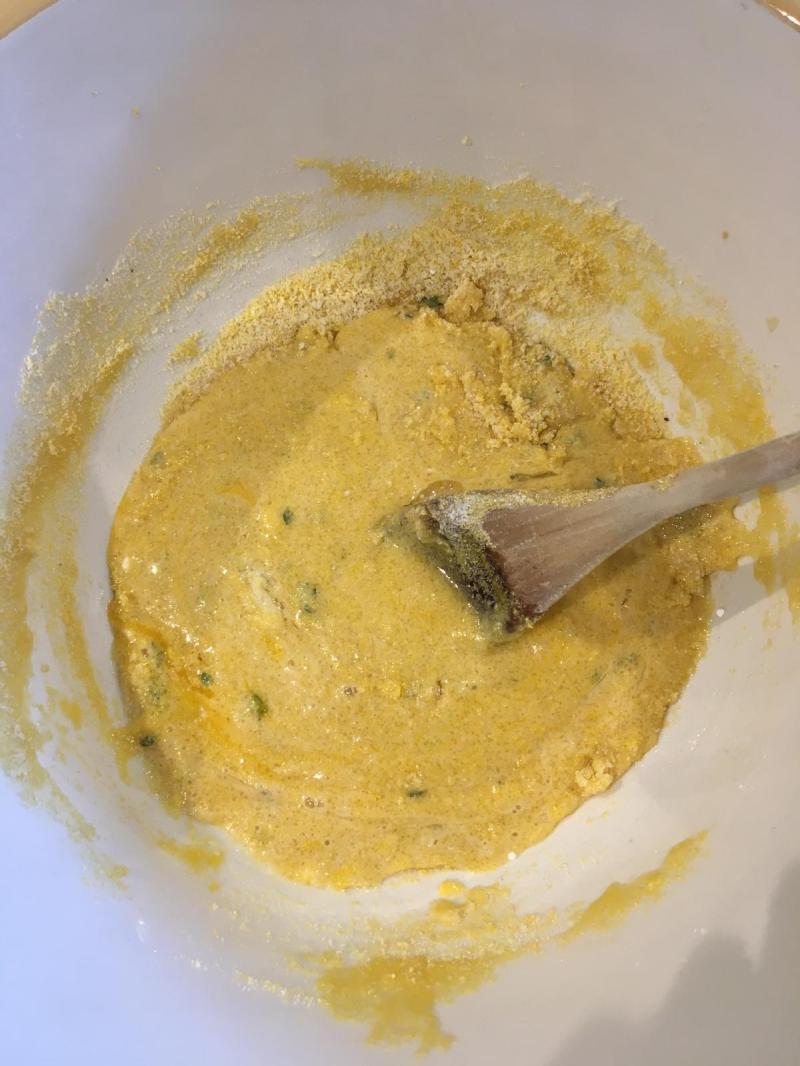
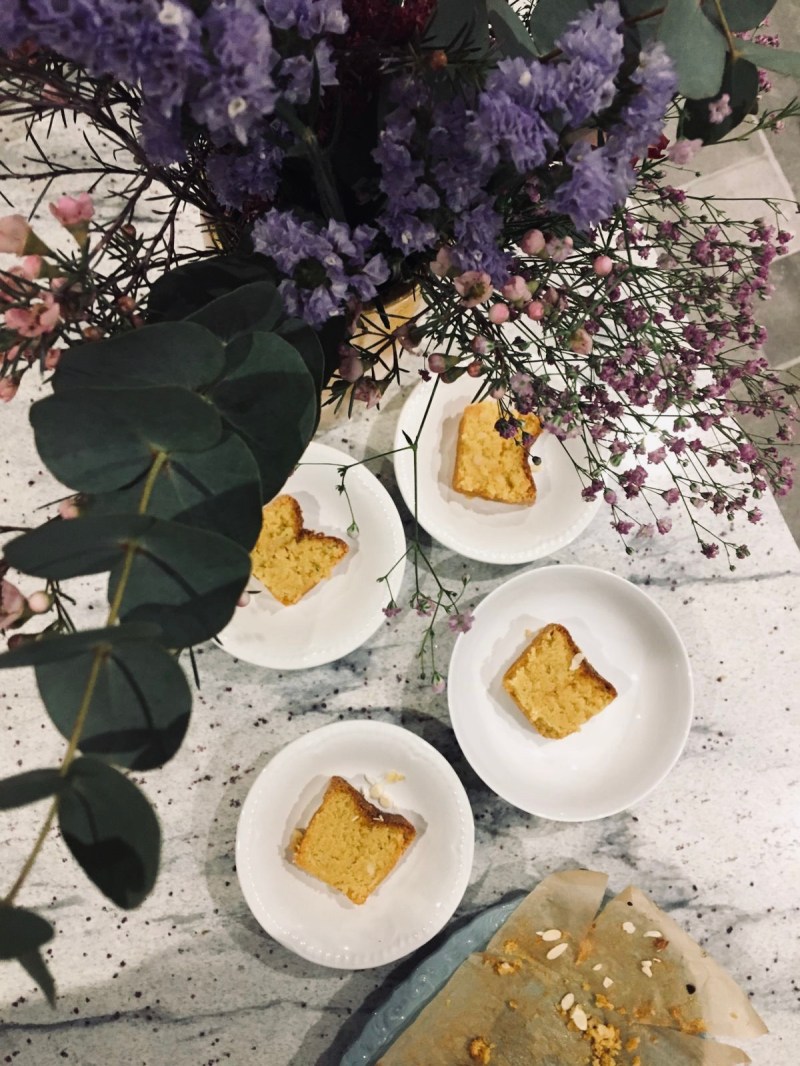
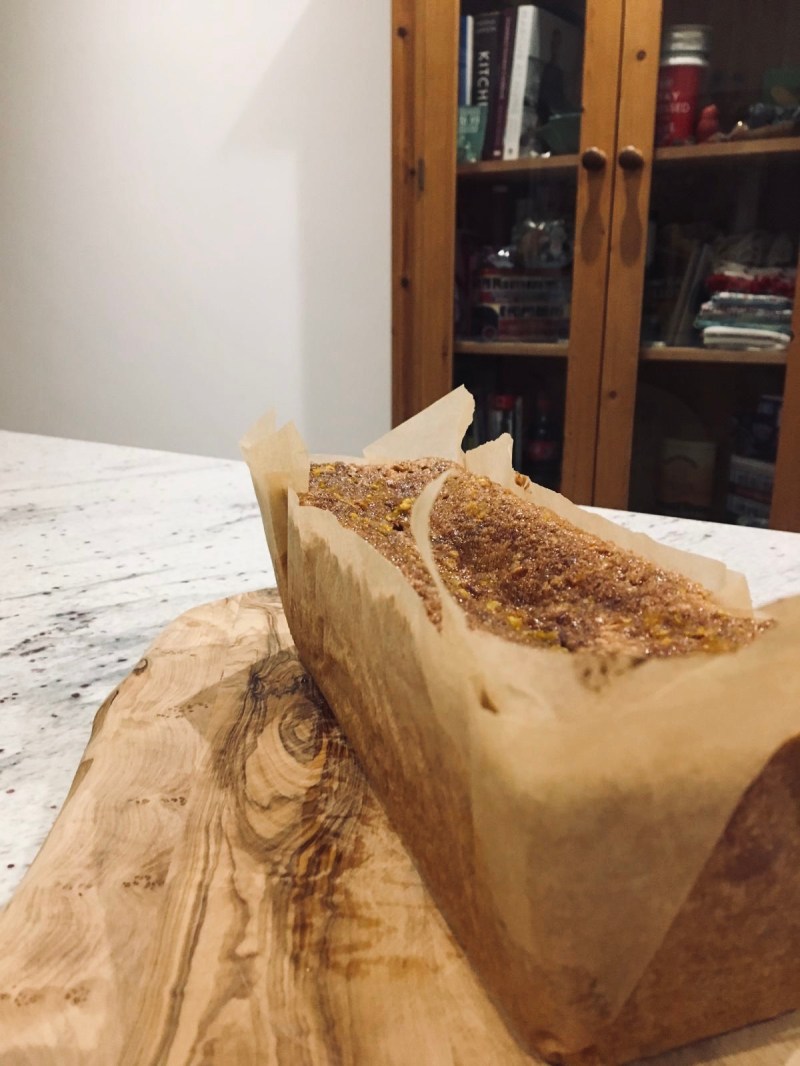
Madeleine’s Dairy Free Orange and Lemon Polenta Cake

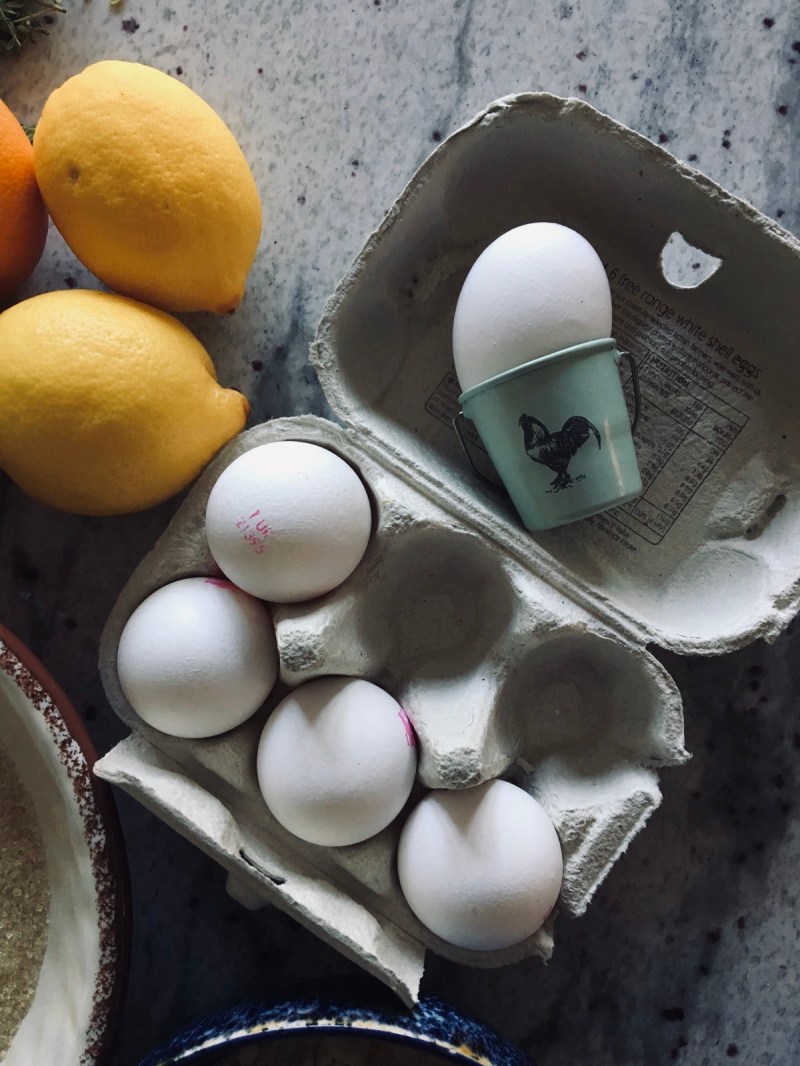
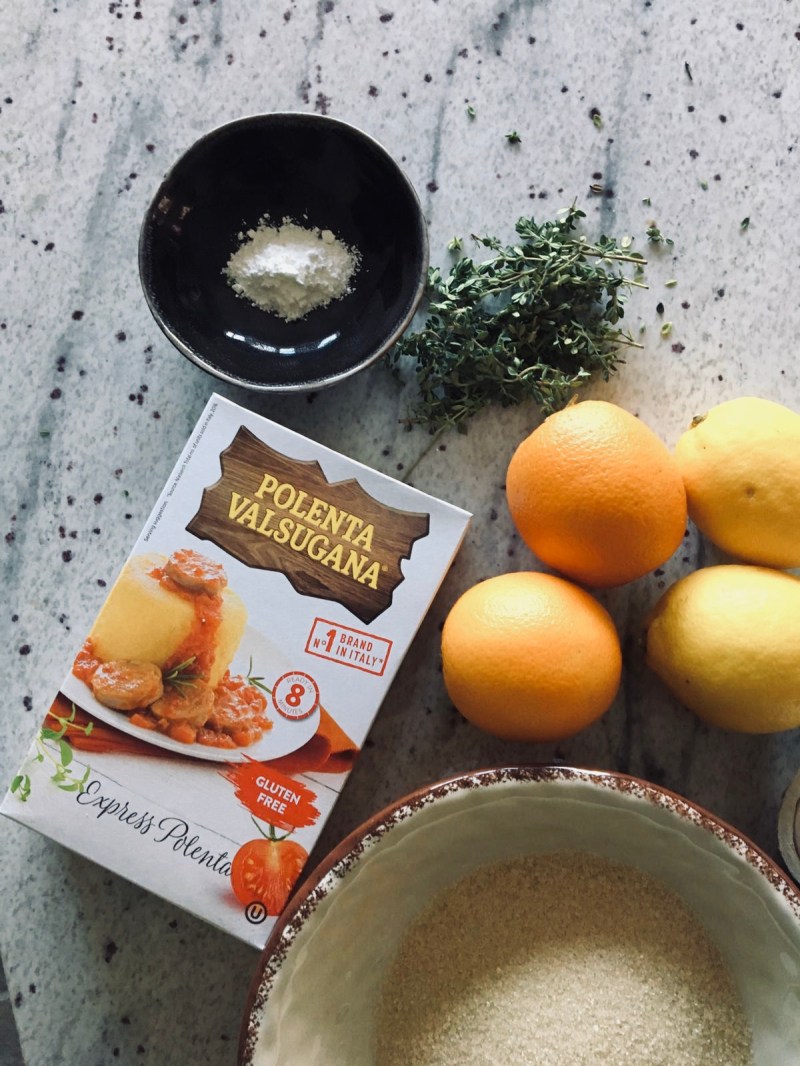
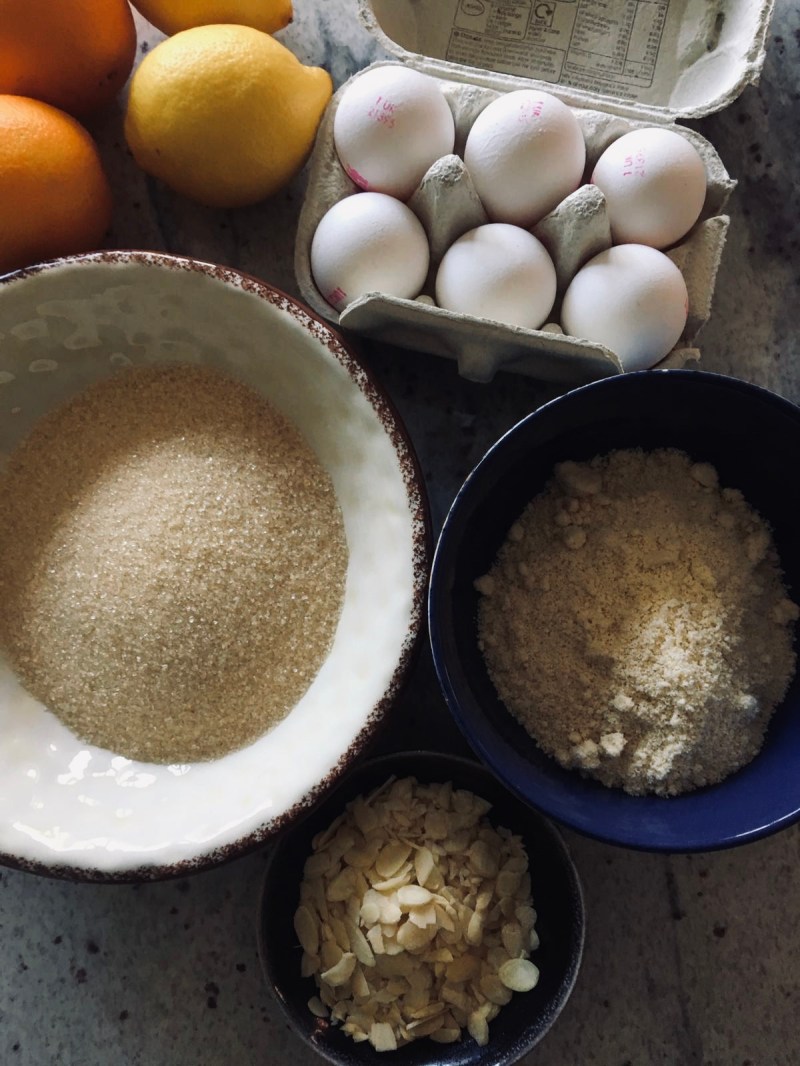
6075b53f-e728-490d-9ef6-7bb9ff60889dcce085d7-47a7-4d3e-a136-13a5cabfc8dbe3c126e4-787d-4ed7-8a04-63c2d3209c5396bfdb04-e2c7-4bc4-9ee9-2738dc580f5791634117-774a-4376-8328-54867b47a5a07dea9a36-9b45-4086-ac94-8c77a7769b408806d07f-102e-48f4-a63f-fcc04a907de2faa03093-b258-4757-ab42-deee7d49b4da0e7df2e8-1aab-4d3b-a096-a2f974f568b18cf9f5df-03e8-414b-a1d3-058f8a65328c3f0a3ee8-32cb-45e2-bb1d-8373c20bef5b018ee9e0-815f-4a79-8824-8ce22eb0fdf7a0139550-1ad5-4b92-a5e5-2f3c416fd197c96cc948-bcc0-4e1c-8c5f-a8bcce44aa15Since my sister is dairy free, I’m trying out alternatives – for this recipe, instead of using butter, I used cold pressed olive oil.

Also if you would like to make this cake gluten free, you could just use gluten free baking powder.

Ingredients:

  • 150 ml of cold pressed olive oil
  • 200 grams of golden caster sugar
  • 200 grams of ground almond
  • 100 grams of flaked almond
  • 100 grams of fine polenta
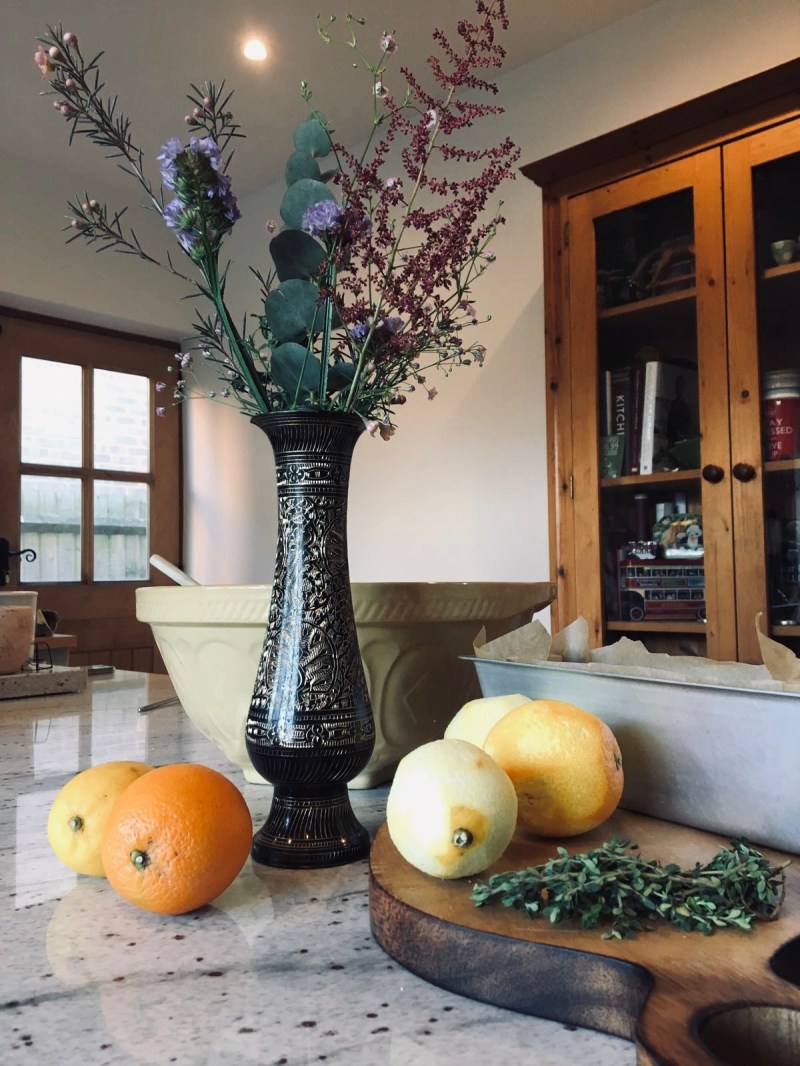
  • Zest of two large unwaxed lemons
  • Zest of two large unwaxed oranges
  • 1 ½ teaspoons of baking powder
  • Picked lemon thyme
  • 3 free range large eggs
  1. Pre-heat your oven to 180 degrees or gas mark 4.
  2. Then grease and line a baking tin with dairy free butter and baking parchment.
  3. To begin beat together the sugar and olive oil in a large mixing bowl until it has gone light and fluffy, you can do this by hand or by electric mixer.
  4. Next mix together your dry ingredients ground almonds, fine polenta, zest of both the lemons and oranges in a large bowl.
  5. Add this to your olive oil and sugar mix in a steady stream, then add one of your eggs at time to form a batter.
  6. At this point add your picked lemon thyme and mix to incorporate.
  7. Place your baking tin onto a level tray and fill the baking tin with the mixture ensure that the mixture is evenly spread out.
  8. Place into the oven and bake for 40 minutes.

Syrup:

  • 2 juiced lemons
  • 125 grams of icing sugar
  • 2 bruised bay leaves
  • Lemon thyme stalks
  1. To begin your syrup, juice lemon and oranges, once juiced place into a small saucepan.
  2. Then add your bruised bay leaves and lemon thyme, bring to the boil and to infuse allow it to cool.
  3. In a small bowl add your icing sugar along with the zest of an orange.
  4. Once the juice has cooled pass through a fine chinois.
  5. Mix together to form a syrup, this will then be poured over the cake once it has cooled on a wire rack. Allow some time for it to sit and soak up the syrup.

Lemon Thyme and Sage Nudi:

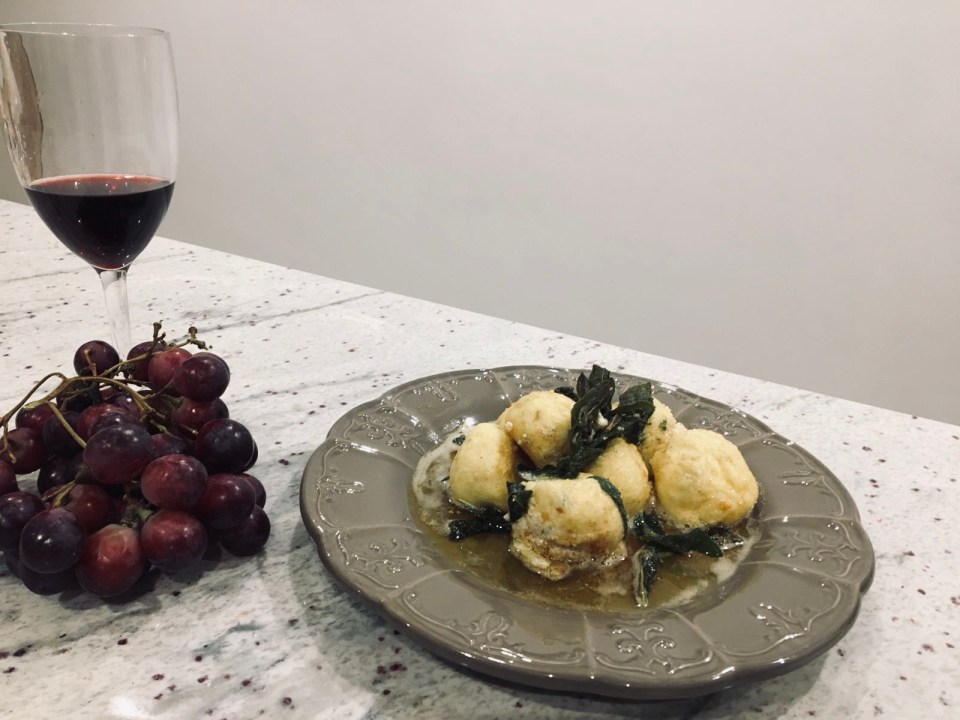
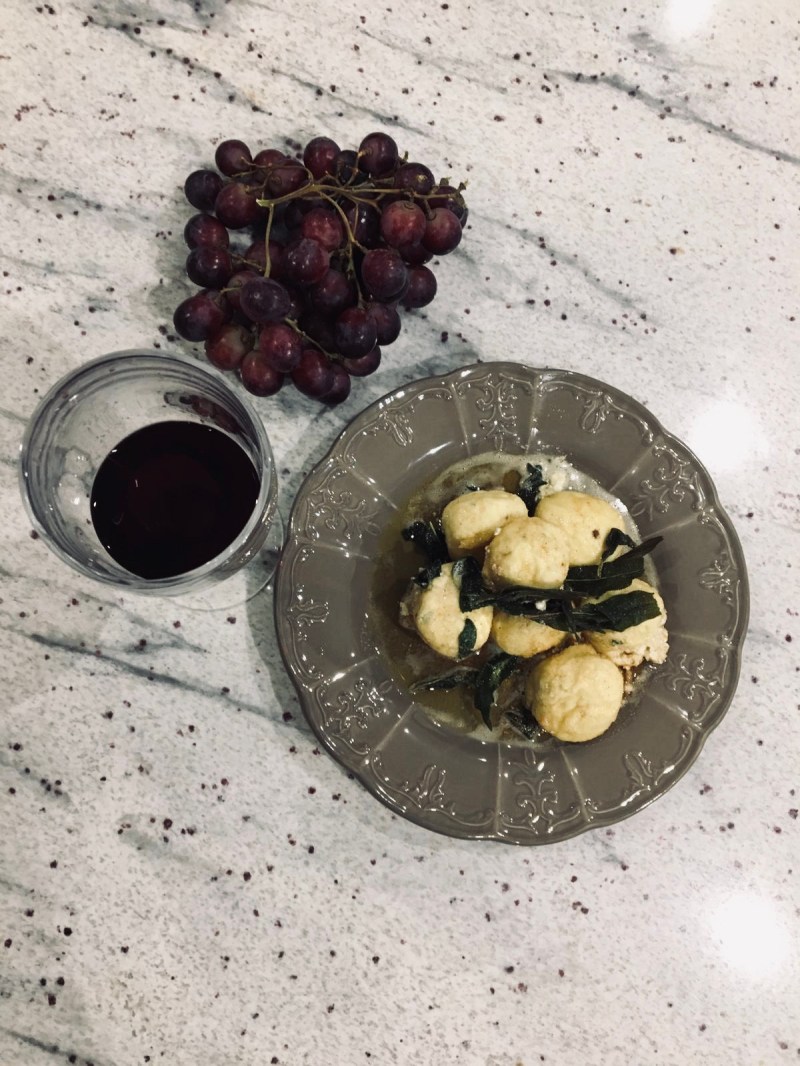
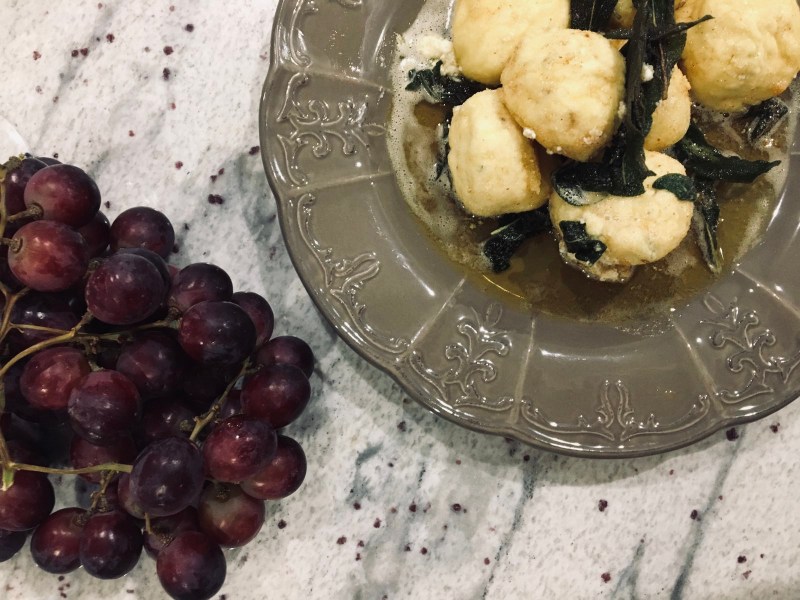
25d4ff35-665b-4b23-b9f5-4cb37b9f6cccc5642f64-8f66-433e-8943-adb7cc0c460e47623f30-366a-41e7-99c3-7a543e2fd1ed6b9e56b9-62af-4800-aeb8-1da3fc4e91f6a498f9a0-c16b-4e25-9393-0a03e9164bfc0071ef6b-41f2-4cd6-ac09-9b1bf72087c43b46c7e7-8b54-43a3-883f-6ce5ecb114b888dd26cd-454a-4d33-9eea-13dfd3dd9529709e9a88-757f-4e0f-a08e-6149b6c092072917be9a-807e-4b84-8ee8-c9140f883951a30d789d-0d73-4455-bd16-eb31bf41862be16c9ed9-c717-4068-b16f-f42abe85457d239355f9-0834-40d1-973f-8996fbab08bcfc0c4d1c-3880-4c3c-9cd4-a81c02ec6d215eaf08d3-55b9-4680-9cf6-8045361aeecdNudi is a traditional Italian dish, which is taken from Northern Italy, Tuscany they are sometimes referred to as naked ravioli.

For your Nudi you will need:

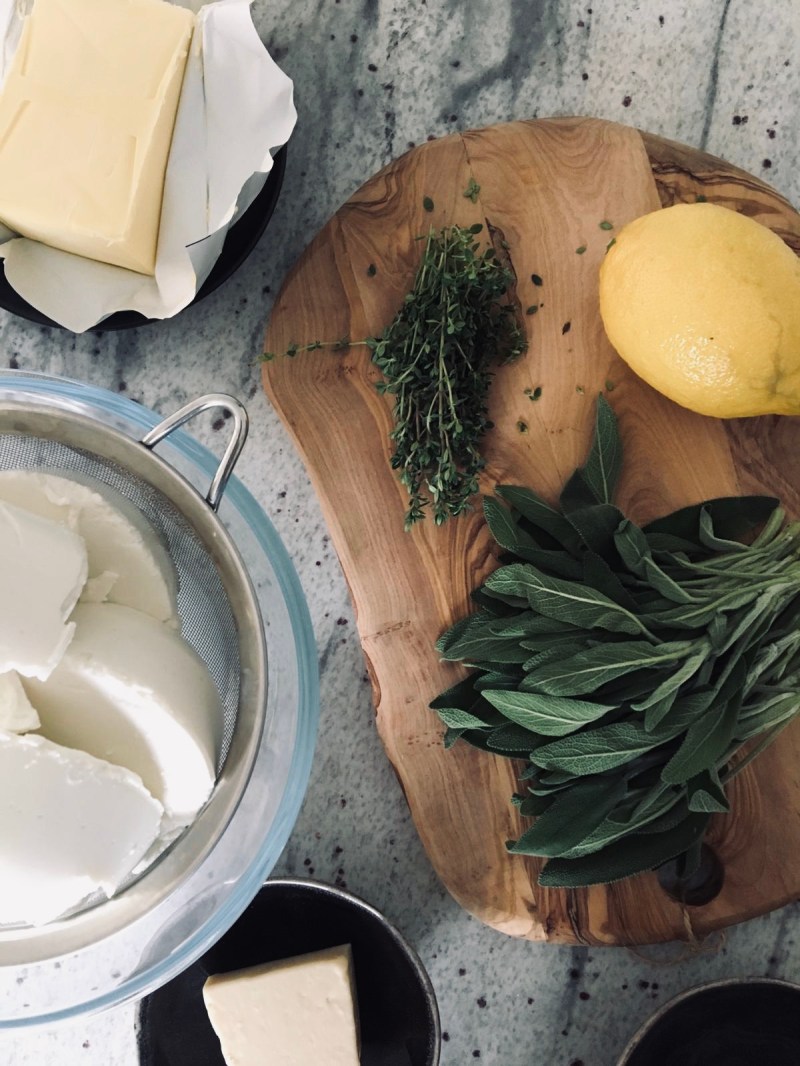
  • 1 kg of sheep’s milk ricotta cheese
  • 70 grams of parmesan cheese
  • Zest of one lemon
  • Pinch of natural sea salt
  • Freshly cracked black pepper
  • ½ freshly grated nutmeg
  1. To begin your nudi, place the sheep ricotta into either a piece of muslin cloth or fine sieve and allow to hang for at least 30 minutes as this helps to remove some of the moisture from the cheese. But also helps the cheese to firm up a little. Allow to hang in your fridge over a metal Pyrex bowl.
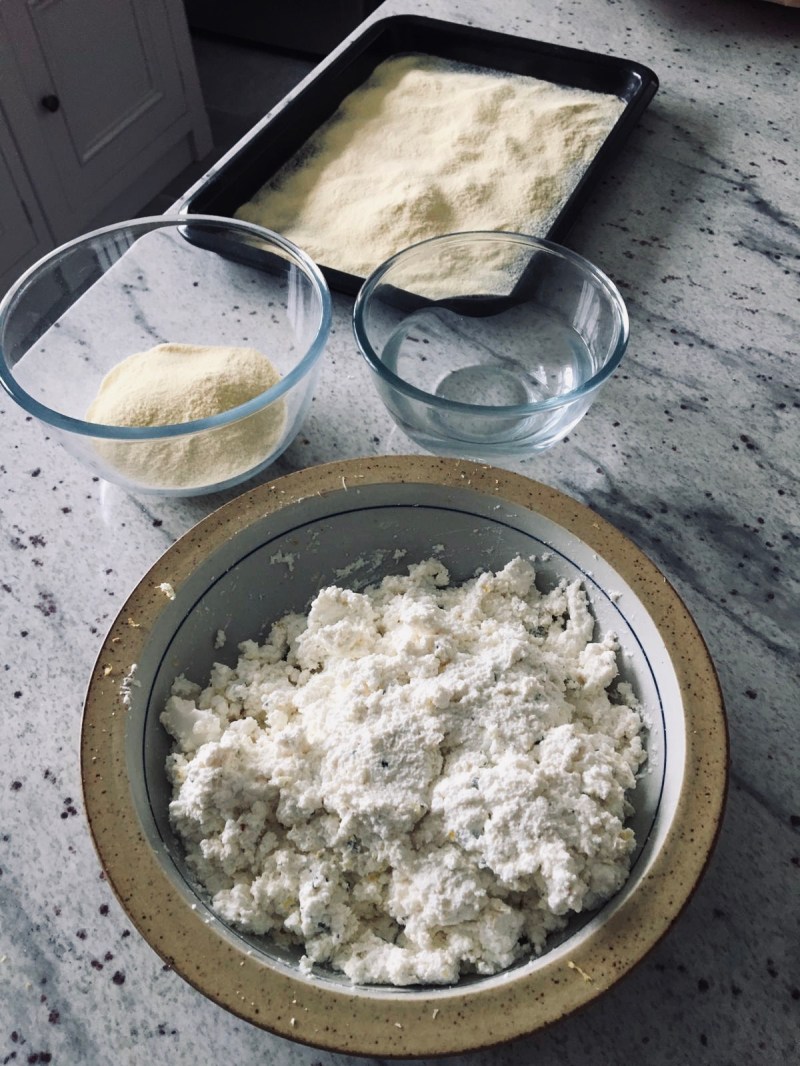
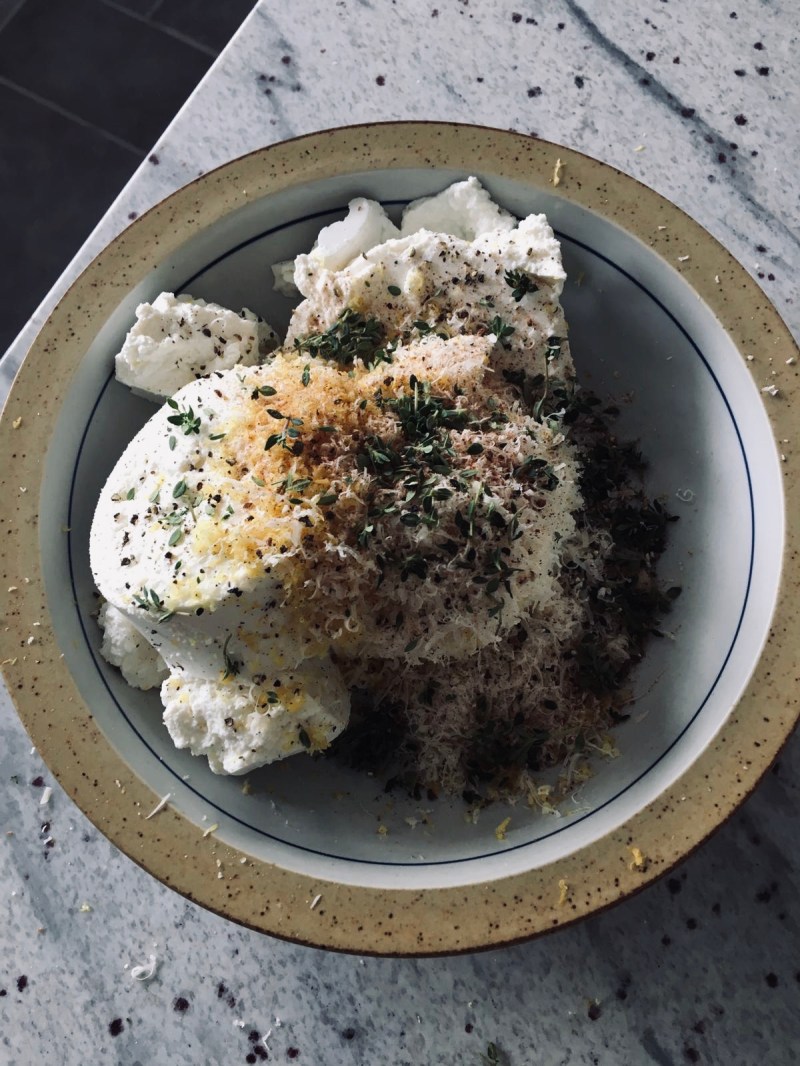
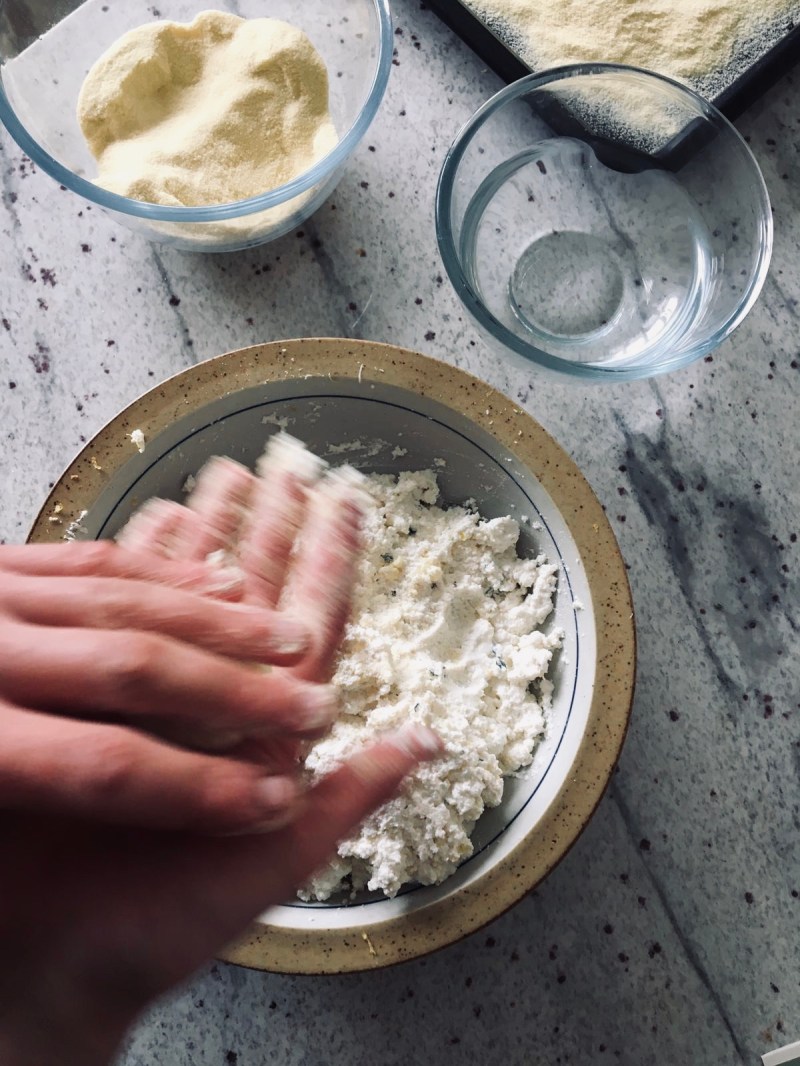
  2. Once the cheese has hung place it into a large fired earth bowl along with your grated Parmesan cheese, freshly picked lemon thyme, lemon zest, sea salt, freshly cracked black pepper and lastly your nutmeg.
  3. Using your hands mix together until all of the ingredients have been combined, once at this stage TASTE.
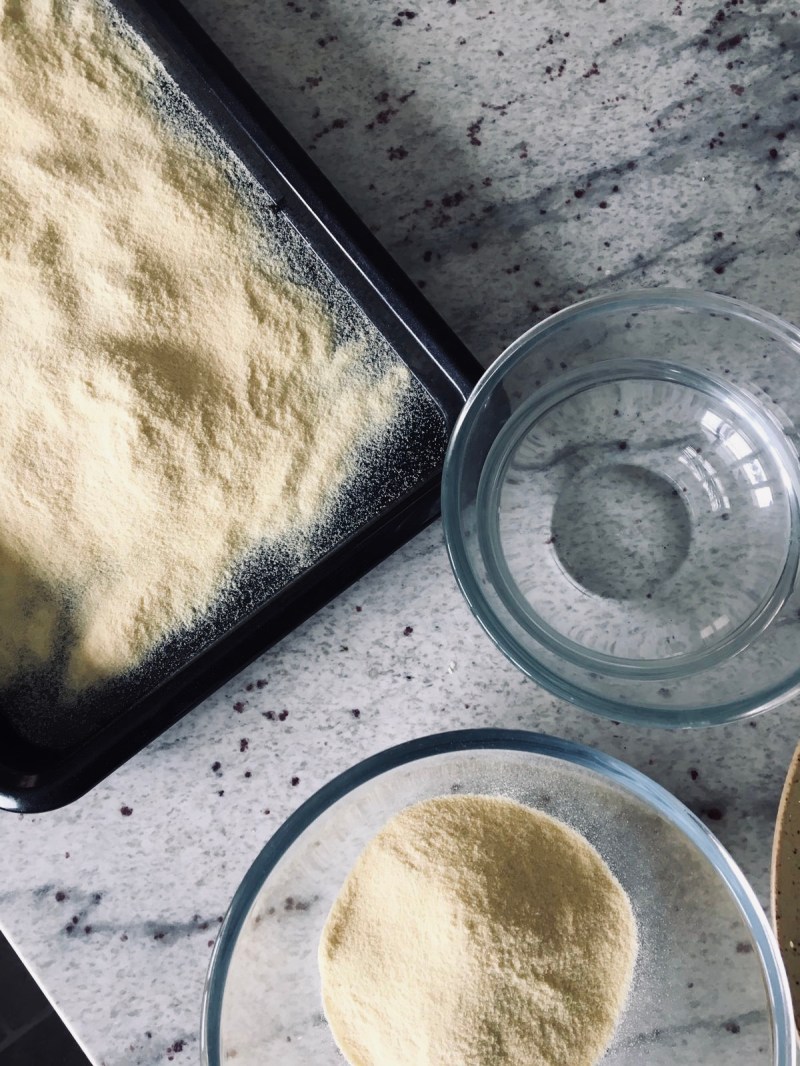
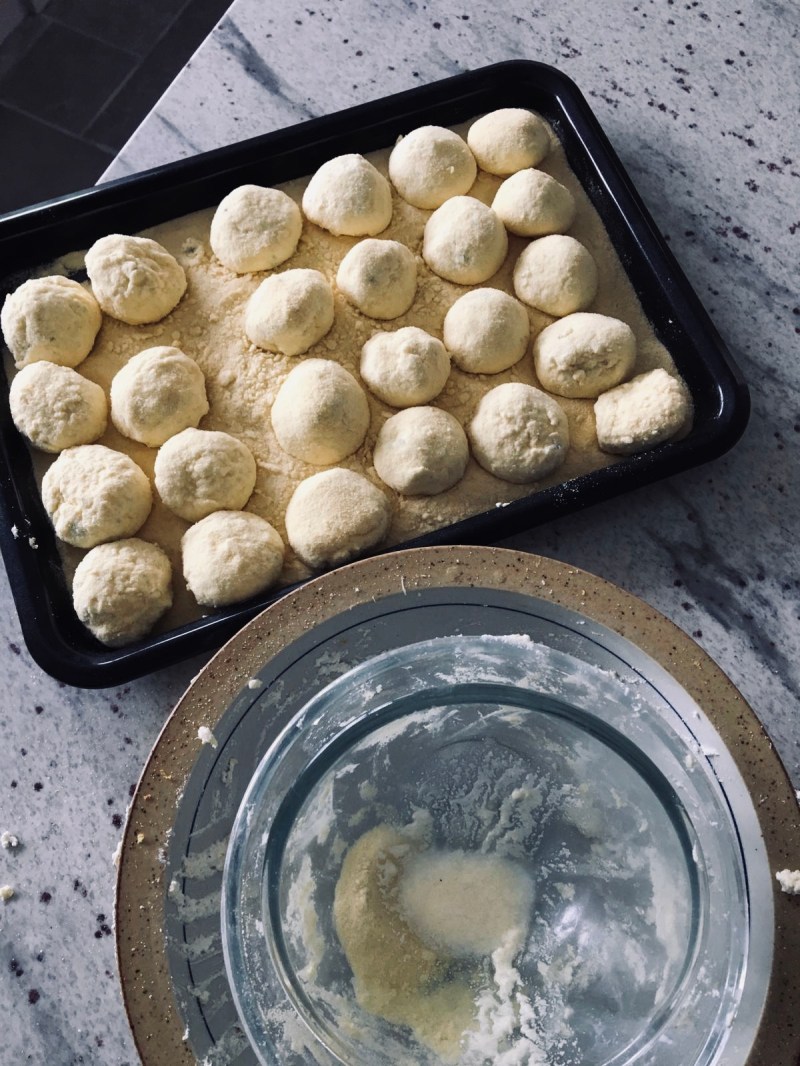
  4. To finish your nudi, decante 1/5 bag of semolina into a large bowl, also have a little bowl of warm water to wash and wet your hands, as this helps to form and smooth the edges of your nudi. You should have perfect round balls.
  5. Form your balls of nudi into about the size of a cobnut, as you want them to be two mouthfuls at most.
  6. Once you have shaped and coated your nudi balls allow them to rest on the semolina coated tray in the fridge for 2-3 hours. They can remain in the fridge for up to three days.

Sauce:

For your nudi you want to create a sage and butter emulsion…

  1. Place a large saucepan onto a medium heat as you need a lot of room to warm these nudi up without breaking them.
  2. Place half a packet of butter into the pan along with 200 ml of water as you want the water and butter to form your sauce.
  3. To infuse the sauce break up sage leaves, for a difference of texture place a small pan of olive oil onto the heat.
  4. Once hot and lightly smoking add your sage leaves, allow to crisp up for 10-15 seconds and place onto a j-cloth covered tray to drain.

To serve:
Place 6-8 of your nudi onto a pre-warmed artisan dish, to accompany this dish serve along side warmed olive bread, olives and balsamic vinegar.